Education is the key to breaking the cycle of poverty because it gives children a choice—a way to shape their own future instead of being trapped by the circumstances they were born into.
How does a lack of education perpetuate poverty across generations?
In Cambodia, education is more than just learning to read and write—it’s a lifeline out of poverty. When children cannot attend school, whether because their families cannot afford it or because they must work to make ends meet, they miss the opportunity to gain the skills and knowledge that could open doors to better jobs. Without these opportunities, they often end up in the same low-paying, insecure work as their parents.
This isn’t just an individual problem—it’s generational. Children who grow up without education are more likely to raise their own children in poverty, continuing the same cycle of limited choices, poor health, and economic struggle. In communities across Cambodia, including Steung Meanchey where CCF works, we see this cycle play out every day—but we also see how breaking it through education can change the trajectory of whole families for generations.
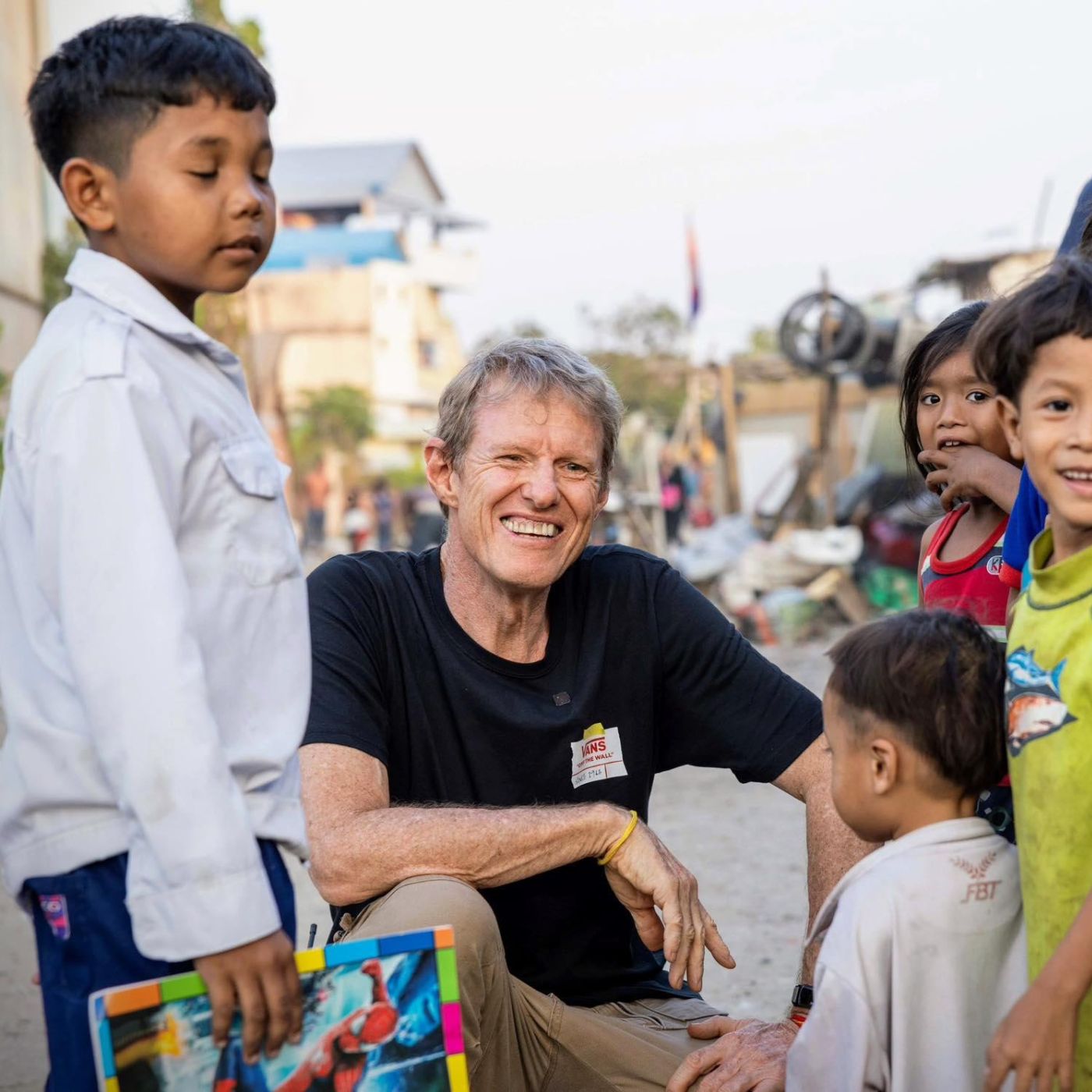
When I first moved to Cambodia, I came across children working on the garbage dump; many were living there too, having been abandoned or having made their own way there. What impacted me the most - and one of the reasons I started CCF - was that they weren't asking for money, they were saying, can you get me into school? So the children don't lack the ambition to get into school. It was simply that the support structures necessary weren't there.
Without education, they are left with the same limited choices as their parents and the same future.
Why is education considered the key to breaking the poverty cycle?
CCF’s approach is based on a fundamental belief that education will provide children pathways out of poverty. With the right education, a child’s potential is limitless - the reason it’s our greatest priority. Our guiding belief is that the children with the fewest opportunities in Cambodia deserve access to the highest-quality education.
Education is the key to breaking the cycle of poverty because it gives children a choice—a way to shape their own future instead of being trapped by the circumstances they were born into. It opens doors to better jobs, new skills, and opportunities that would otherwise be out of reach. More than that, it gives children confidence, hope, and the belief that their lives can be different from their parents’.
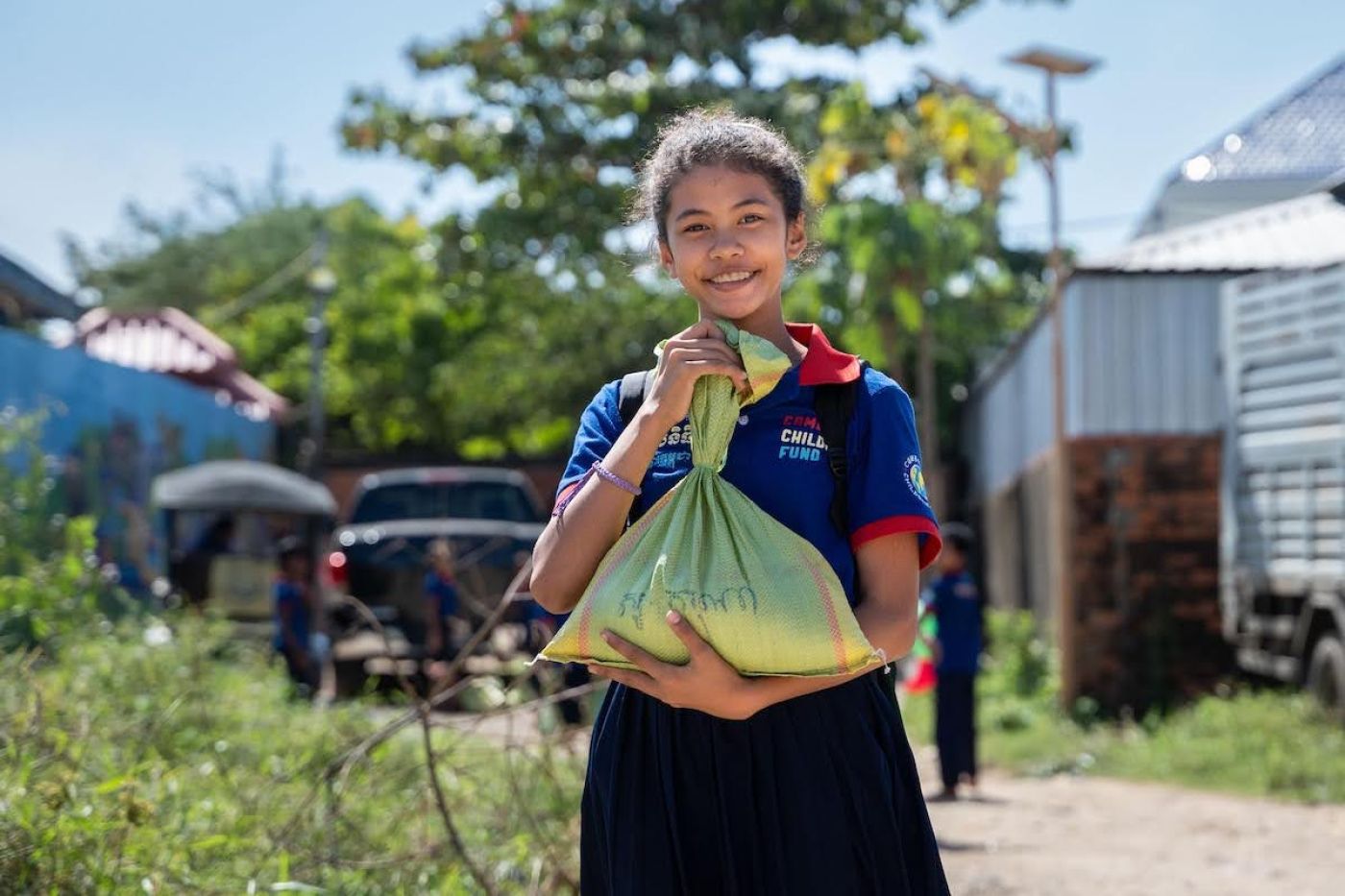
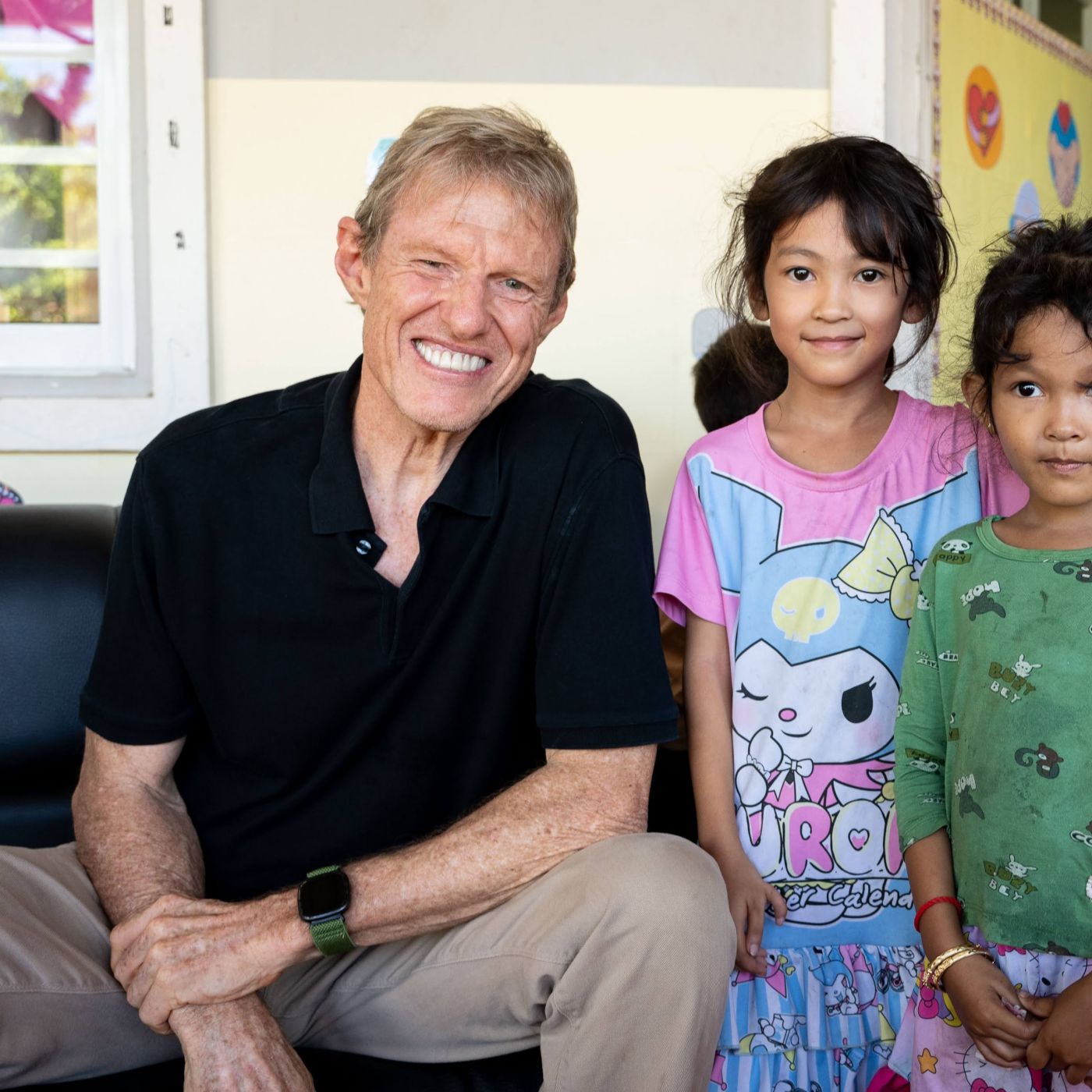
At Cambodian Children’s Fund, we see this every day. Through our schools, after-school programs, and scholarships, we ensure children in Steung Meanchey and surrounding communities can attend classes and gain the support they need to thrive. We provide more than education alone—we care for the whole child, offering healthcare, nutritious meals, and safe homes, so learning can truly take root.
Today, more than 1,800 children are building a future that once felt out of reach, supported by Cambodian Children’s Fund’s award-winning Education Program. We have over 320 students currently enrolled in universities.
We have a proven model. With the support we have in place, our absentee rates are consistently running at less than 4%, lower than Western countries, despite the conditions children face every day, sometimes absolute squalor.
A great education is the biggest piece, but it can’t stand alone. There also has to be a strong development component—leadership, public speaking, a clear sense of values, and a deep emphasis on empathy. That’s why our focus on education is so driven. To achieve real return on investment, every CCF graduate needs at least a solid understanding of how to raise their own family and contribute meaningfully to a community. That’s when you start to see a ripple effect, and the impact continues to grow long after graduation.
Without education, poverty is inherited. With education, it can be overcome. Every child supported by CCF has the chance to lift themselves—and their families—into a better life, breaking the cycle of poverty for good.
What challenges do poor families in Cambodia face in educating their children?
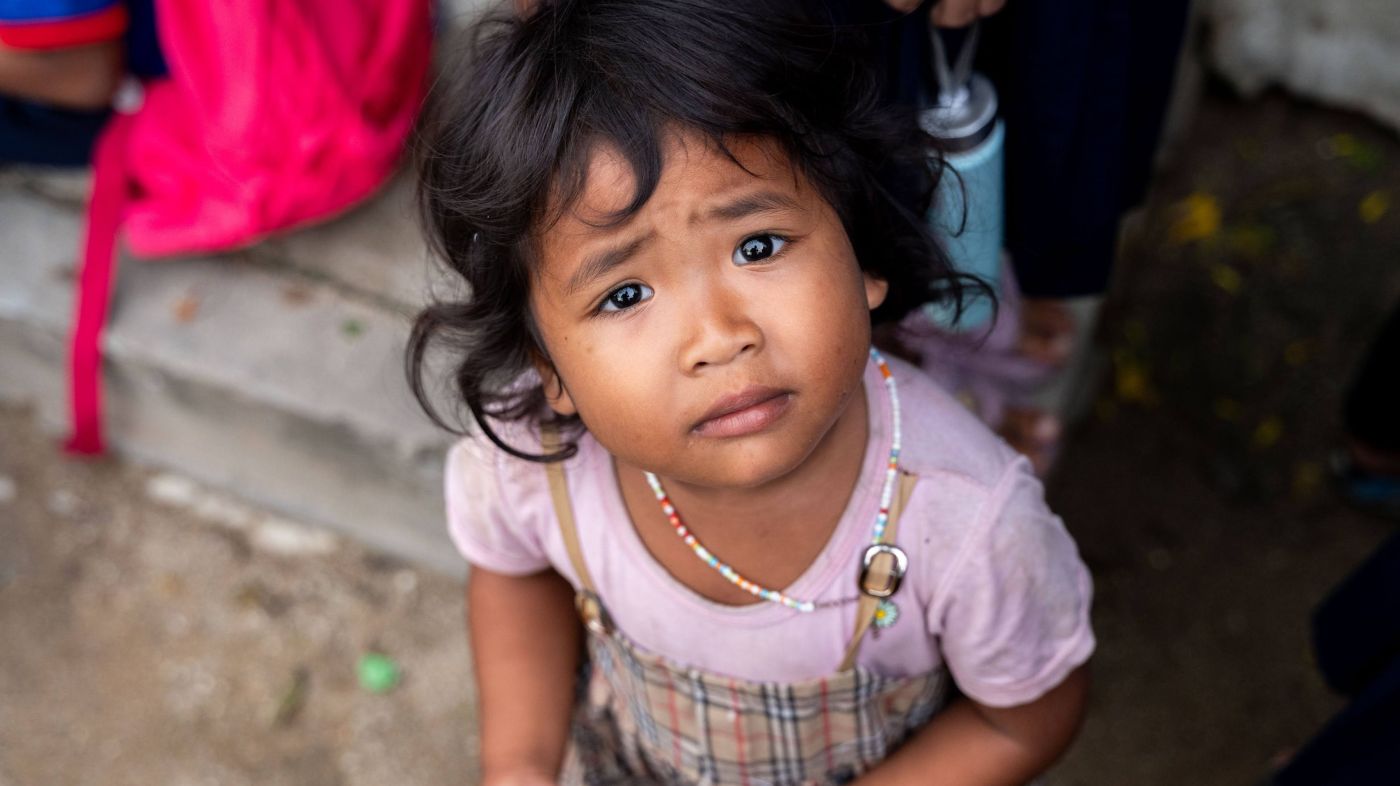
There are many reasons why children don’t go to school. Often, parents never had an education themselves, and living in extreme poverty forces them to think only day by day. When you talk to parents—especially mothers—who are working every day just to get enough food for lunch and dinner, or to scrape together rent, the idea that 12 years from now your child could have a good job and be earning good money can feel pointless. Add domestic abuse, crushing debt with 10 or 20% interest a month, or just the daily struggle to survive, and it’s impossible for them to focus on a child’s future. When you’re fighting to make it through tomorrow, talking about fifteen years from now doesn’t land.
In the Steung Meanchey area of Phnom Penh, where CCF works, many families migrating into the garbage dump community are in debt due to medical costs or other issues. They’ll sell their assets, farm and cattle, anything they own, to pay the bills. Then they borrow money. There’s no way of paying the loan back in the countryside because the work is seasonal. So they move to the landfill, where the whole family, including the children, can contribute by working. Parents can scavenge through the trash, and children, even as young as three or four, can sort plastics, metal, and copper. The garbage dump is the only place they can earn income, seven days a week.
Parents need money to keep food on the table, and when a child is in school, income drops, leaving less money for food. The family could slide even deeper into debt. Many children are also required to stay home to look after younger children or a sick parent or grandparent. They get trapped in a cycle of debt, and the importance of education is overshadowed by the urgent need to put food on the table.
To a degree, it's exacerbated by the fact that if the parents haven't had an education, there's more resistance to discussing the benefits of education. And for parents who are living with poverty, with serious illness, who struggle every day to get food on the table, it's very hard to discuss how things could be in 10 or 12, 15 years' time.
CCF has put a lot of effort into understanding the family’s needs and the issues they’re facing, and it covers a wide gamut, from abject poverty, domestic violence, missing parents, and, because of the Khmer Rouge days, a large number of parents in the Steung Meancey area have significant trauma. This manifests as a lack of family skills, child raising, and empathy, which is understandable given their need to focus solely on themselves to survive.
There’s a level of dysfunction, with transient families moving in and out, and it’s the reason why CCF works in that particular area of Phnom Penh.