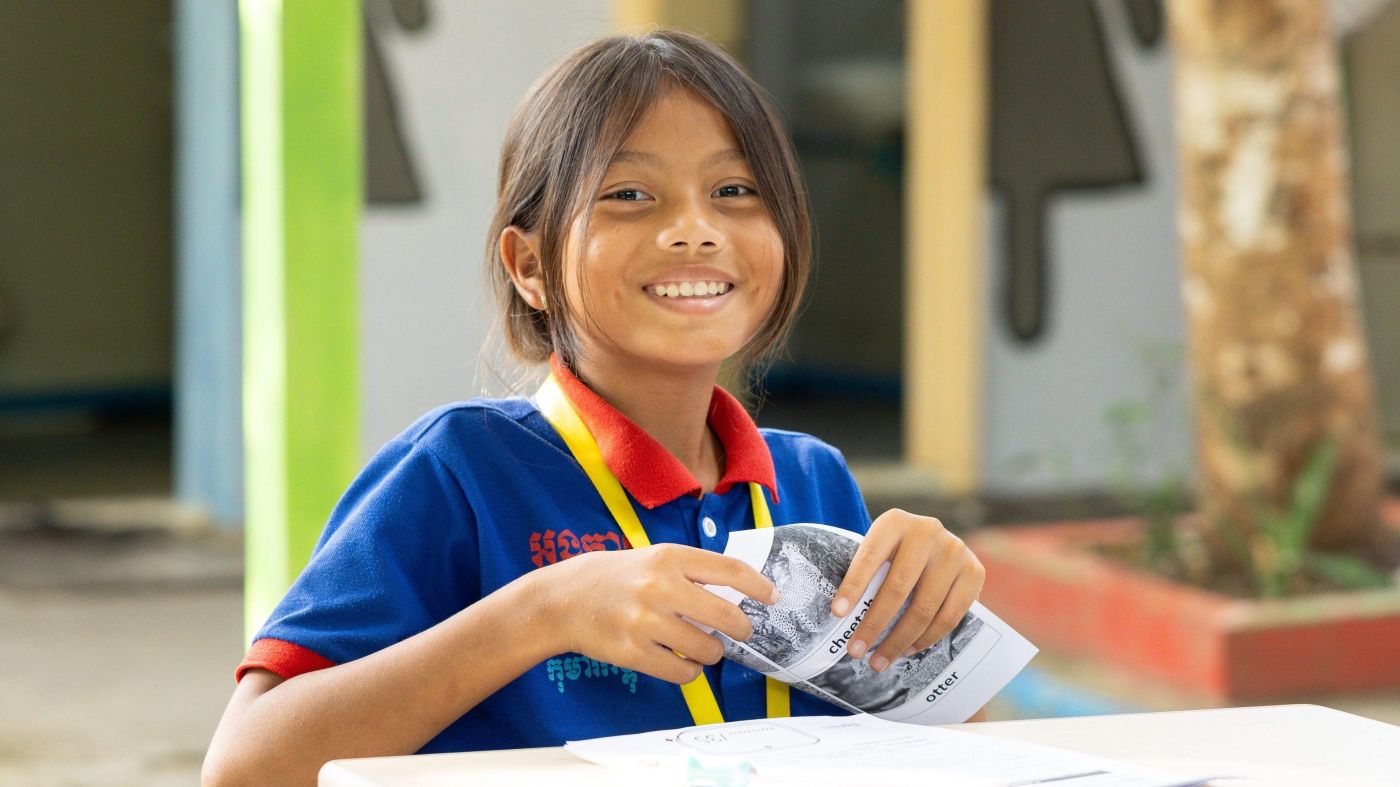
Growing up in poverty affects far more than income. It shapes a child’s physical, emotional, and psychological development.
Why are so many children in Cambodia living in poverty?
Cambodia is a developing nation that is improving, but widespread poverty persists. It’s ingrained in cities, such as Phnom Penh, and the countryside. Cambodia had a brutal setback starting in the mid 70s when Pol Pot came to power, killing off 20 to 25% of the entire population. His focus was on the educated, teachers, and doctors. By the end, there were very few teachers left. The first elections after this weren't held until 1993. So, in terms of stability and having a platform for growth, it's quite recent.
Agriculture, particularly rice, remains the main economic driver, and many families have small plots of land and subsist in poverty.
Post-traumatic stress disorder (PTSD) and the general impact of the 1970s are still holding back a move from poverty. Addressing all the issues that prevent a child from attending school regularly and reaching their full academic potential must be combined with an understanding of the long-term value of education.
This generation was denied an education during the Khmer Rouge years. The consequences are still felt today. With little schooling, job options are limited to low-paid manual labour, trapping families in poverty with no clear way out
How does poverty affect children’s development and future?
Poverty affects so many levels. In the early days [of CCF], I found it very hard to have conversations with parents about the benefits of education. From the parents' perspective, many are struggling to get food on the table that night. In some cases, to pay the rent for the most basic shelters to live in. Education is not their priority; it’s about survival.
Poverty can prevent children from going to school if they're homeless, if the school is too far from their homes, or if the child is required to work. This will hamper the child's education and development.
When a family member is sick, and medical care is simply too expensive, it’s often the oldest child who stays home to look after them. They often need to care for younger siblings when the mother or both parents are working. There are a very large number of single mothers in the area we work.
Growing up in poverty affects far more than income. It shapes a child’s physical, emotional, and psychological development. Malnutrition and inadequate medical care can leave lasting health problems, while limited access to healthcare means many issues go untreated for years.
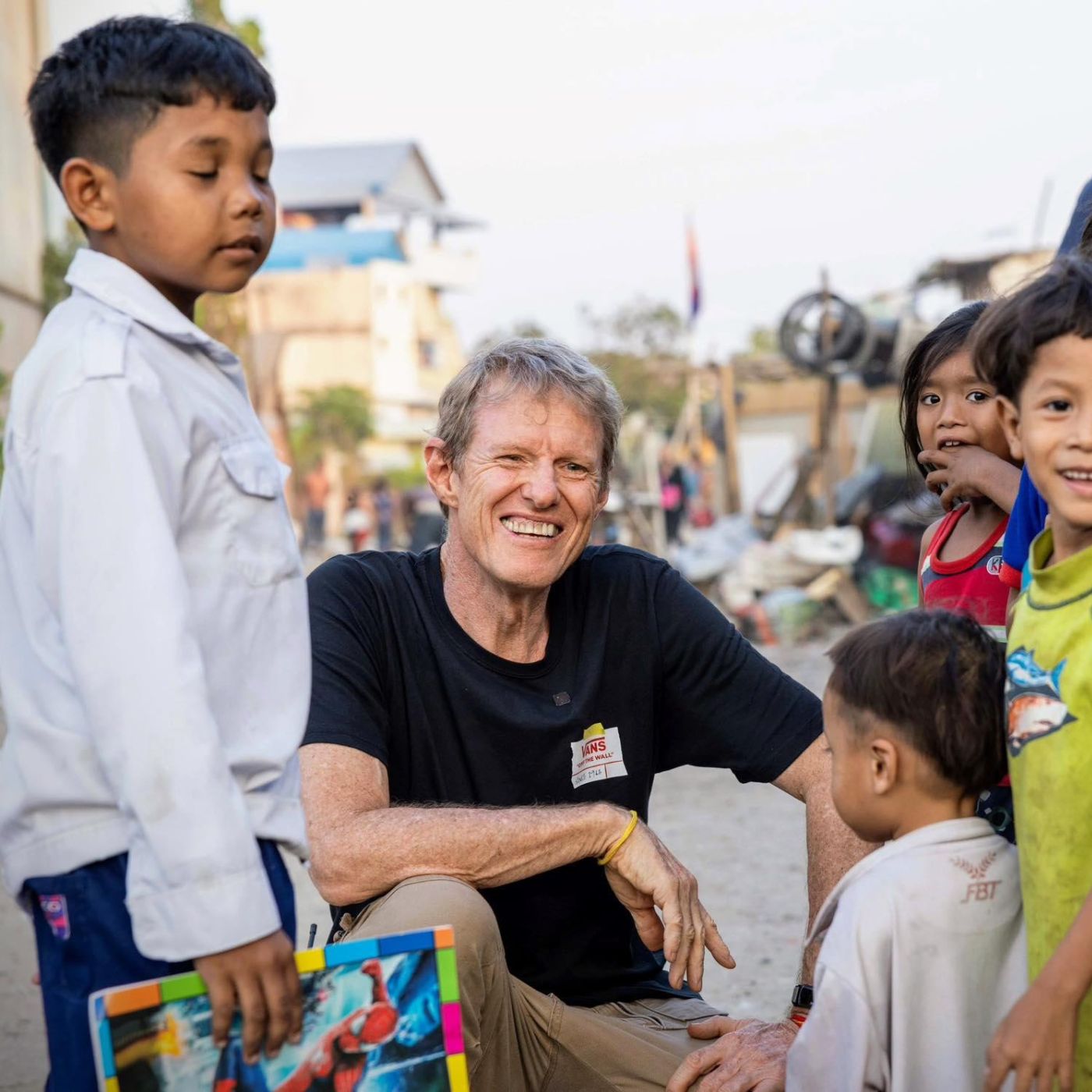
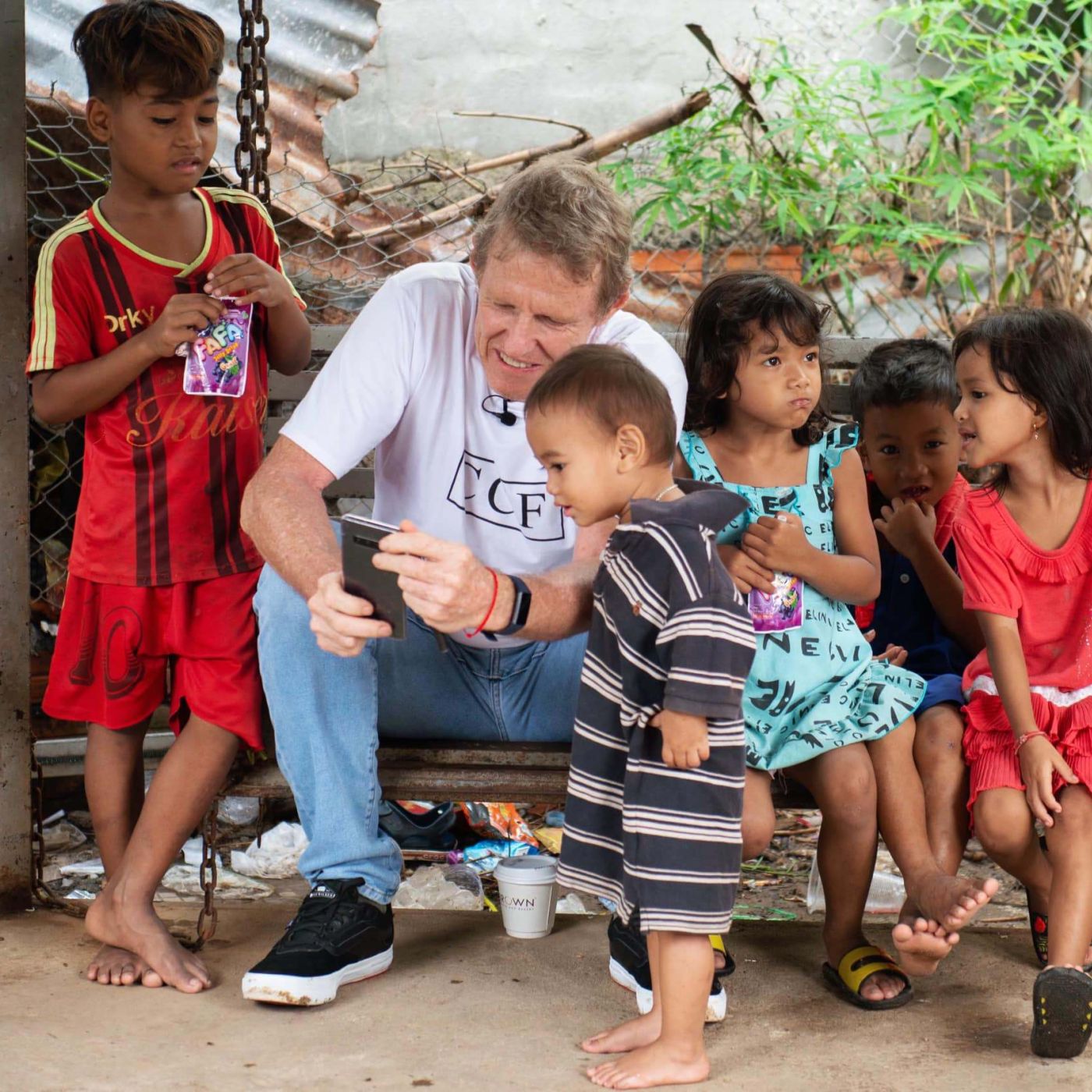
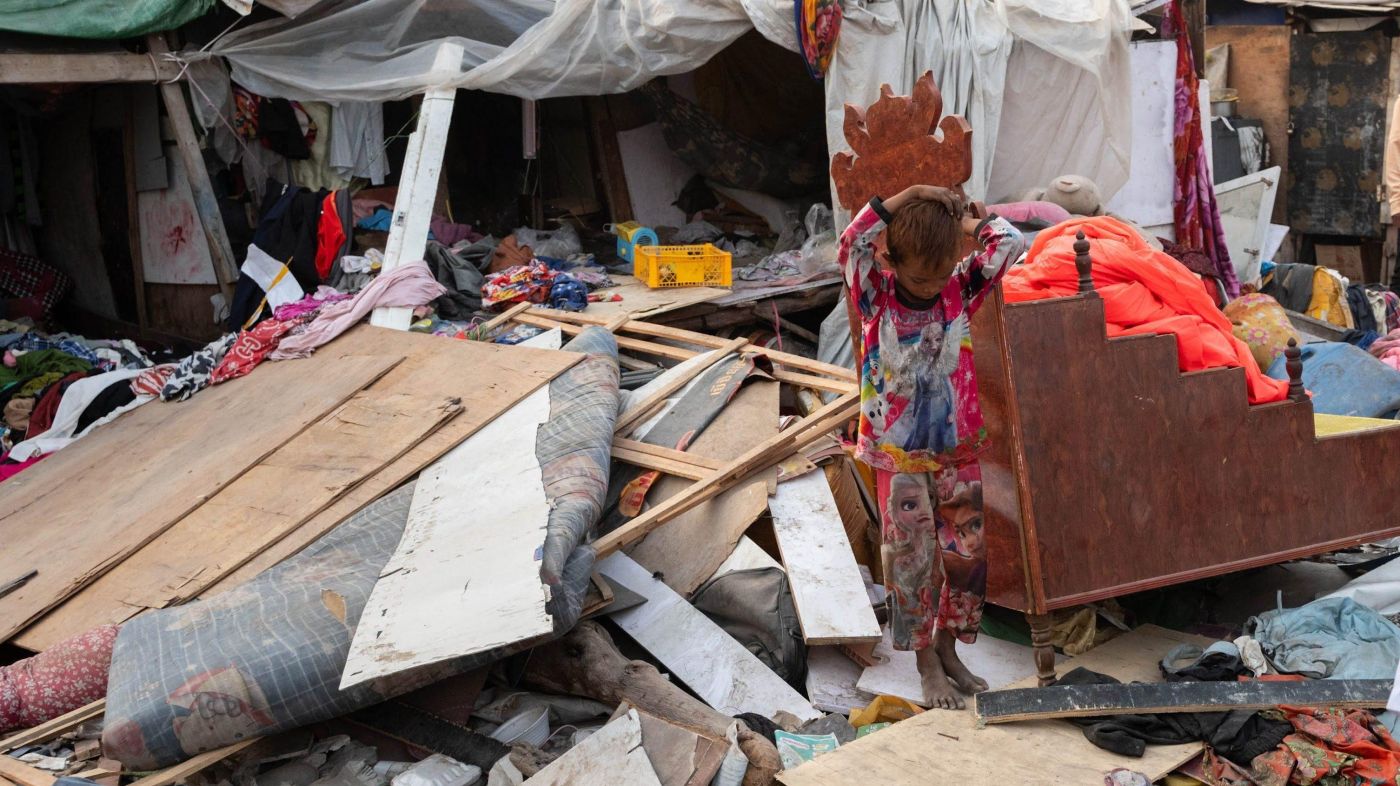
Many children in the Steung Meanchey area, where Cambodian Children’s Fund works, grow up in unsafe or overcrowded housing, surrounded by filth, instability, or violence. Some live in fractured or dysfunctional families, where poverty brings relentless pressure and stress, often leading to abuse or domestic violence. These conditions leave deep scars, long before a child ever steps into a classroom.
What is the cycle of poverty, and how can it be broken?
In Cambodia, the cycle of poverty runs deep, and nowhere is it more visible than in communities like Steung Meanchey. Generations of families have lived with little education, few job opportunities, and insecure housing. Parents who grew up with hardship often have no choice but to take low-paying, physically demanding work just to keep food on the table.
Their children feel the weight of this from the start. Many are forced to work to support their families or stay home because school is too expensive. Without education, the same limited choices and opportunities are passed down. Poor health, malnutrition, unsafe living conditions, and family stress only make it harder to break free.
This is the cycle: poverty shapes childhood, childhood shapes adulthood, and the next generation inherits the same struggles. But at Cambodian Children’s Fund, we see that this cycle can be broken with the right structures in place.
With education, healthcare, and direct community support programs—not direct financial aid—for the entire family, and targeted care for the whole child, children can lift themselves—and their families—out of poverty, building futures that once seemed impossible. The CCF model has demonstrated that when children receive the right support and opportunities, the generational cycle of poverty can end.
For the first 10 or 15 years, it was incredibly hard to get parents to buy in. Education felt too abstract. But now we have students who’ve completed their education with us, while their parents are still living in the community. They’re a powerful, living example for other families. When parents can see it with their own eyes, that’s when things really start to change.
Lasting change doesn’t come from quick fixes—it comes from understanding a community, its people, and the challenges they face every single day.
For more than 20 years, we’ve worked alongside the Steung Meanchey community, building a model that tackles the many layers of poverty and gives children and families a real chance at a better life.