Granny Mao took her first selfie at Angkor Wat in 2017, when she was 97 and visting the temple complex for the first time.
She returned to Siem Reap six years later and, naturally, took another one in exactly the same spot.
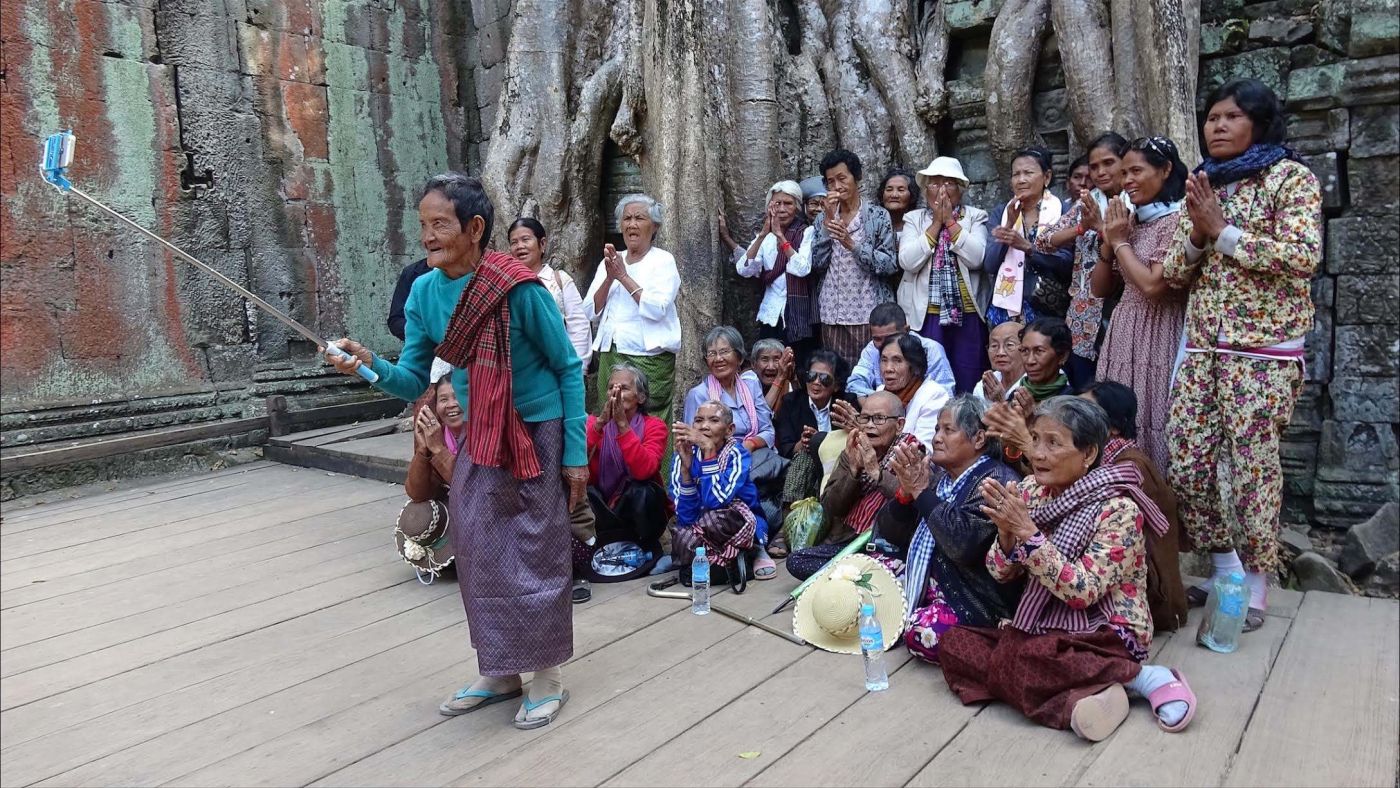
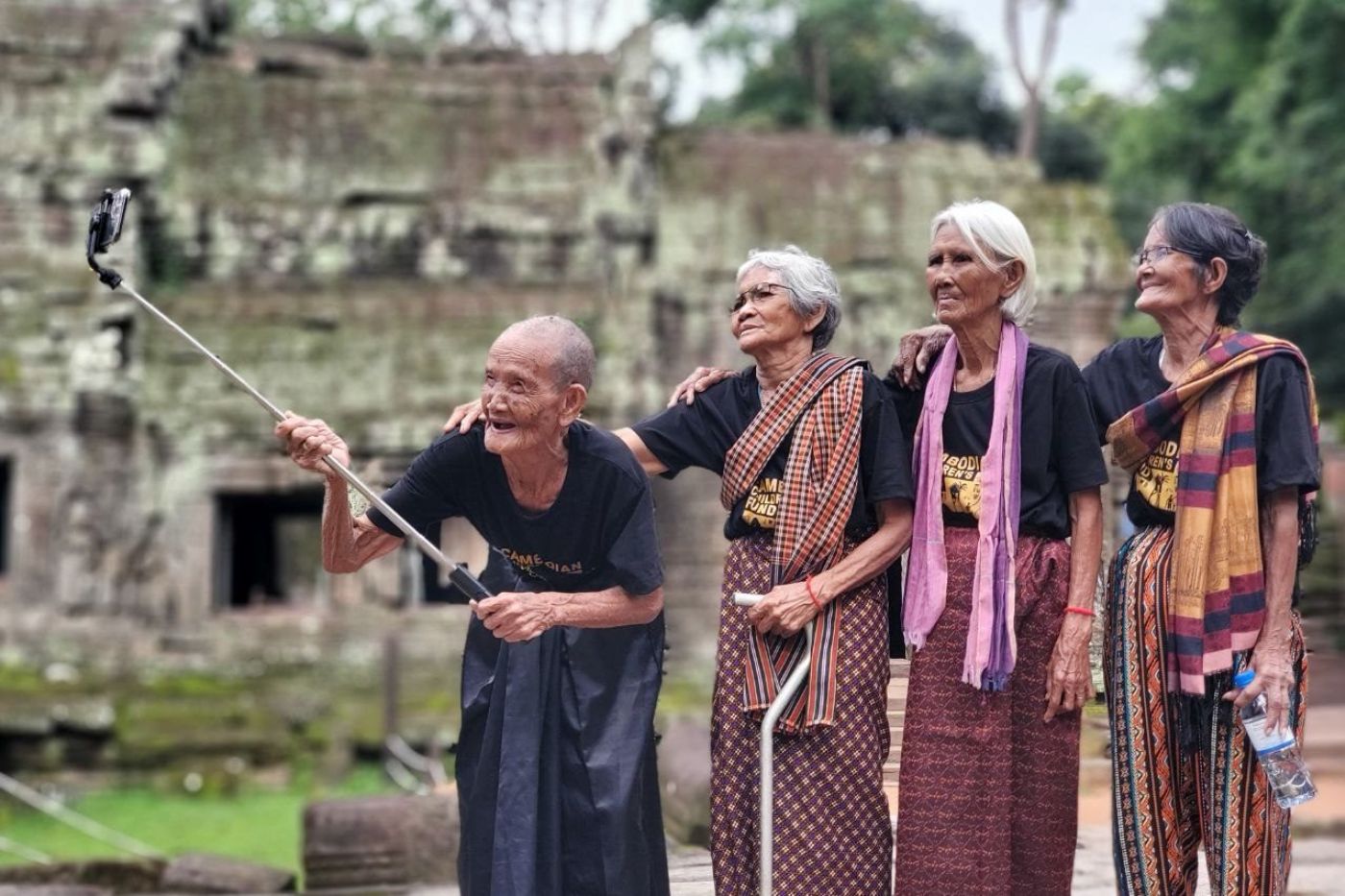
That was Granny Mao — curious, adventurous and always ready to try something new.
Affectionately known as Granny Mao, born Phat Morn, she passed away recently at the remarkable age of 106. She leaves behind an extraordinary life story of overcoming hardship, but also one filled with laughter, learning, adventure and an infectious joy for life.
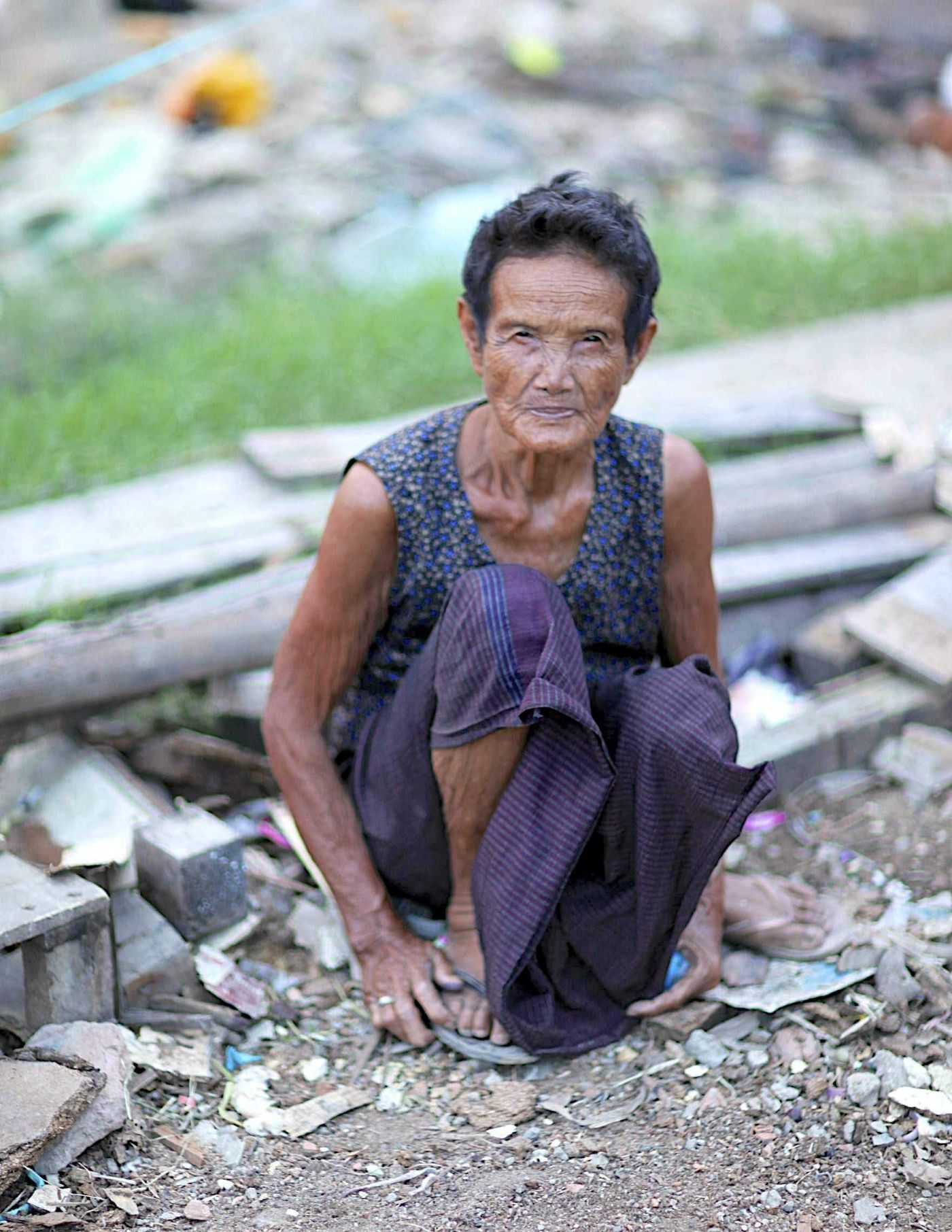
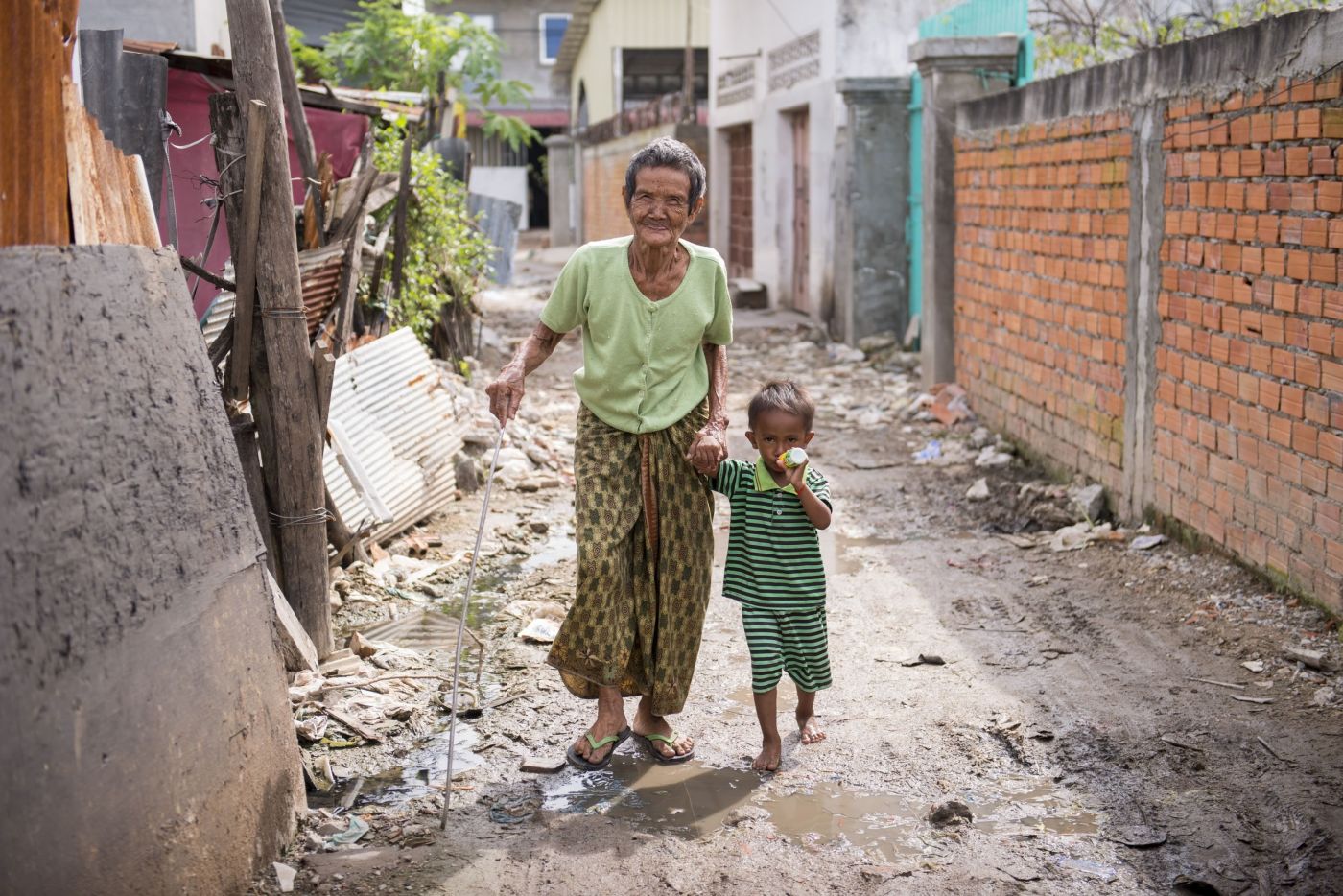
Granny Mao survived the Khmer Rouge regime, but lost her husband and six of her ten children. With little left to support her family, poverty forced her to work as a scavenger around the Steung Meanchey rubbish dump well into her 80s, collecting bottles and recyclables to earn enough to survive.
Scott Neeson, CCF's Founder, found Granny Mao while she was hunting for recycled scraps on the Steung Meanchey dump. In her late 80s, she spent every day sorting through piles of trash to earn a small income to support her family, driven by poverty to keep working.
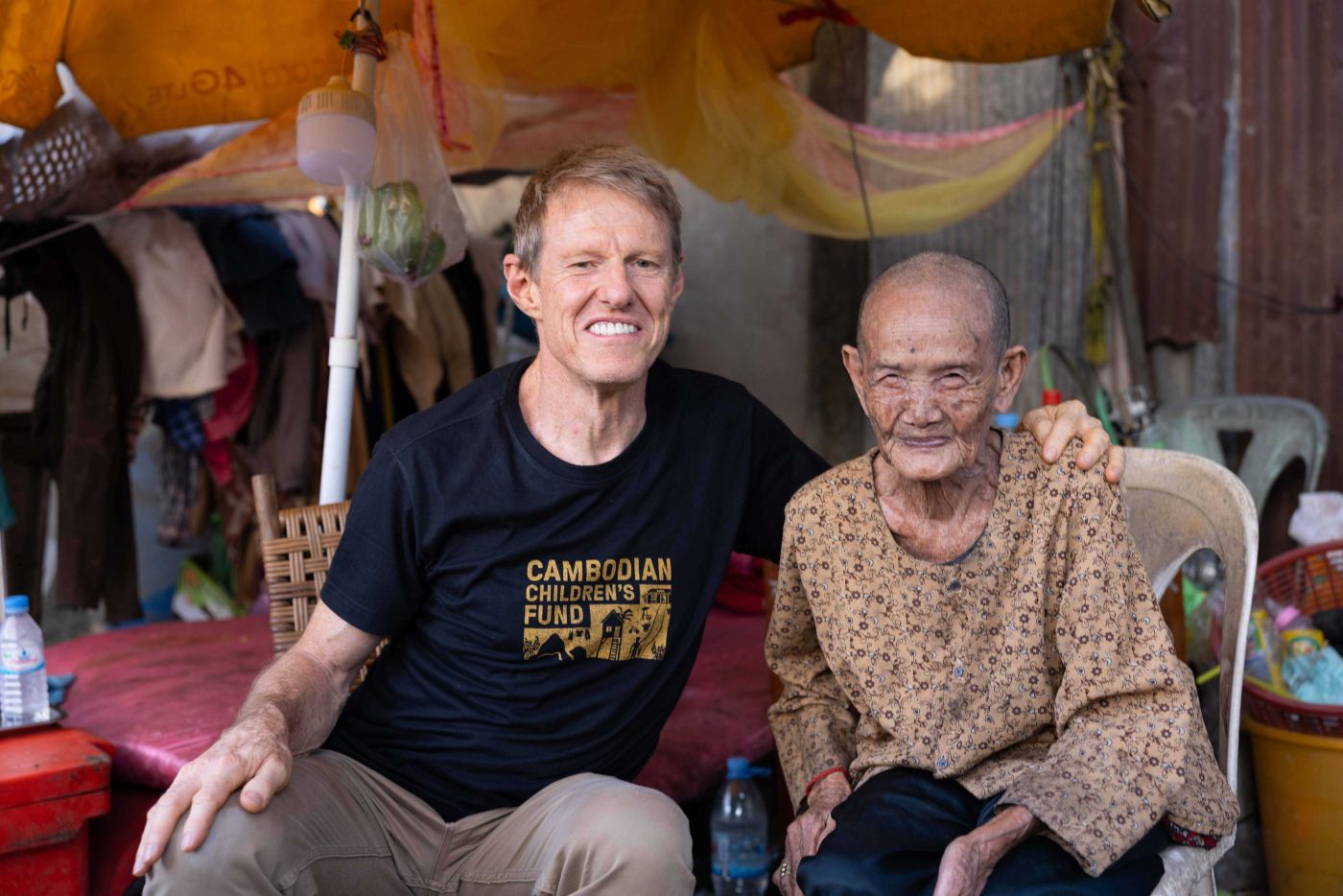
Her life changed when she joined the Granny Program run by Cambodian Children’s Fund (CCF).
Granny Mao received regular support and weekly visits from the CCF team and students. More importantly, she became part of a community that valued her, celebrated her and gave her opportunities to keep learning and experiencing life.
Through CCF, she bloomed again.
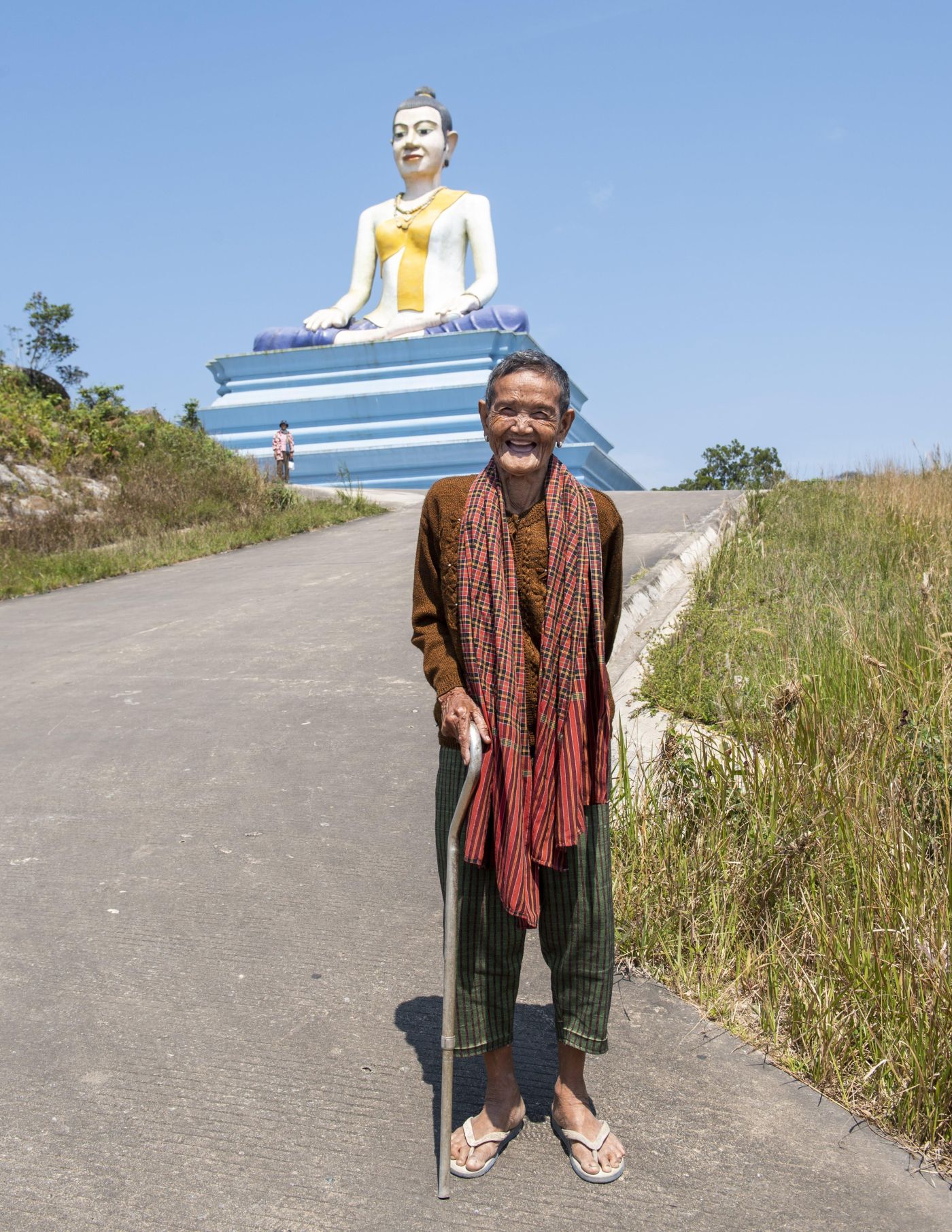
She took literacy classes and enjoyed many memorable trips with the CCF Granny Program.
At 96, she learned to swim.
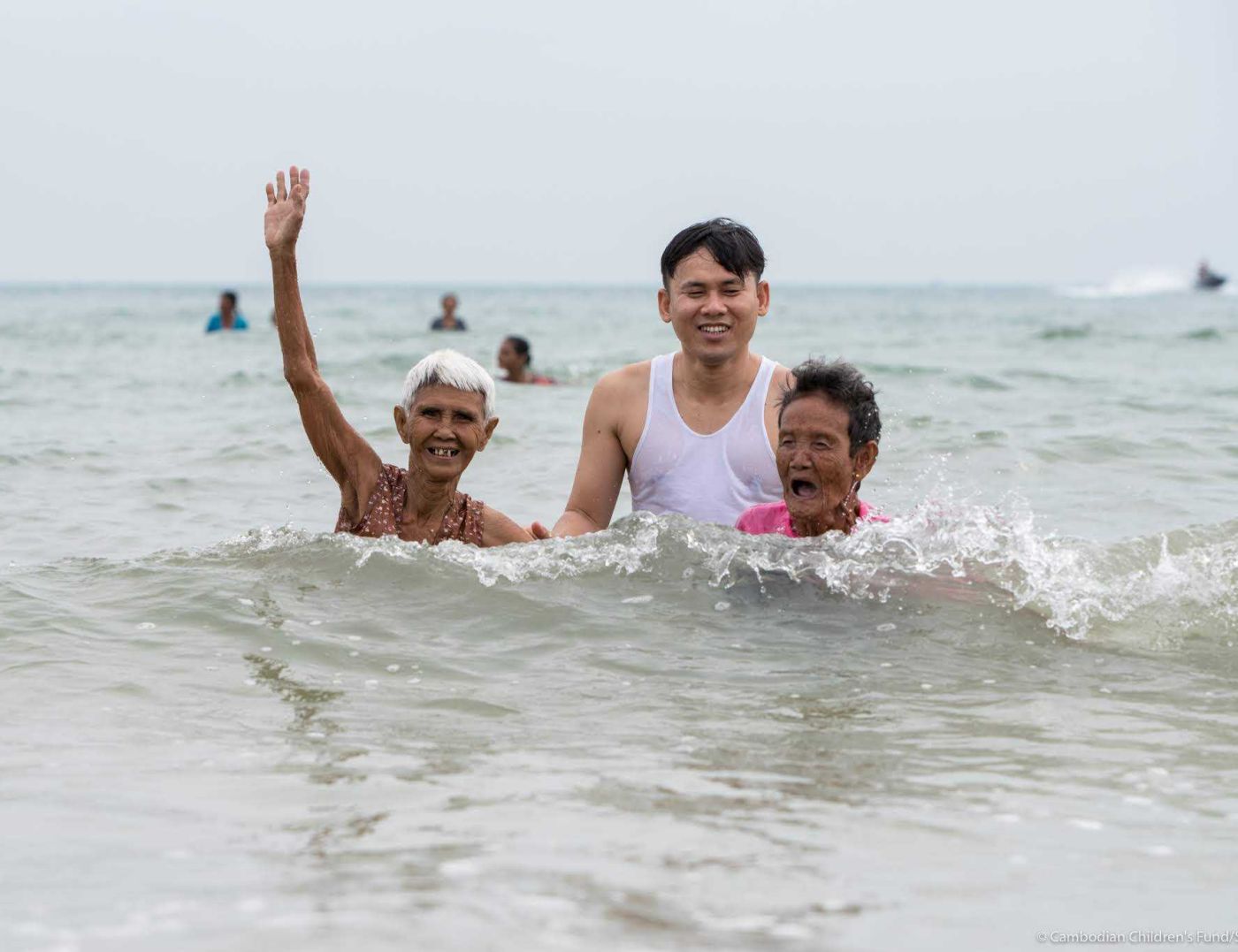

And later swam in the sea for the first time.
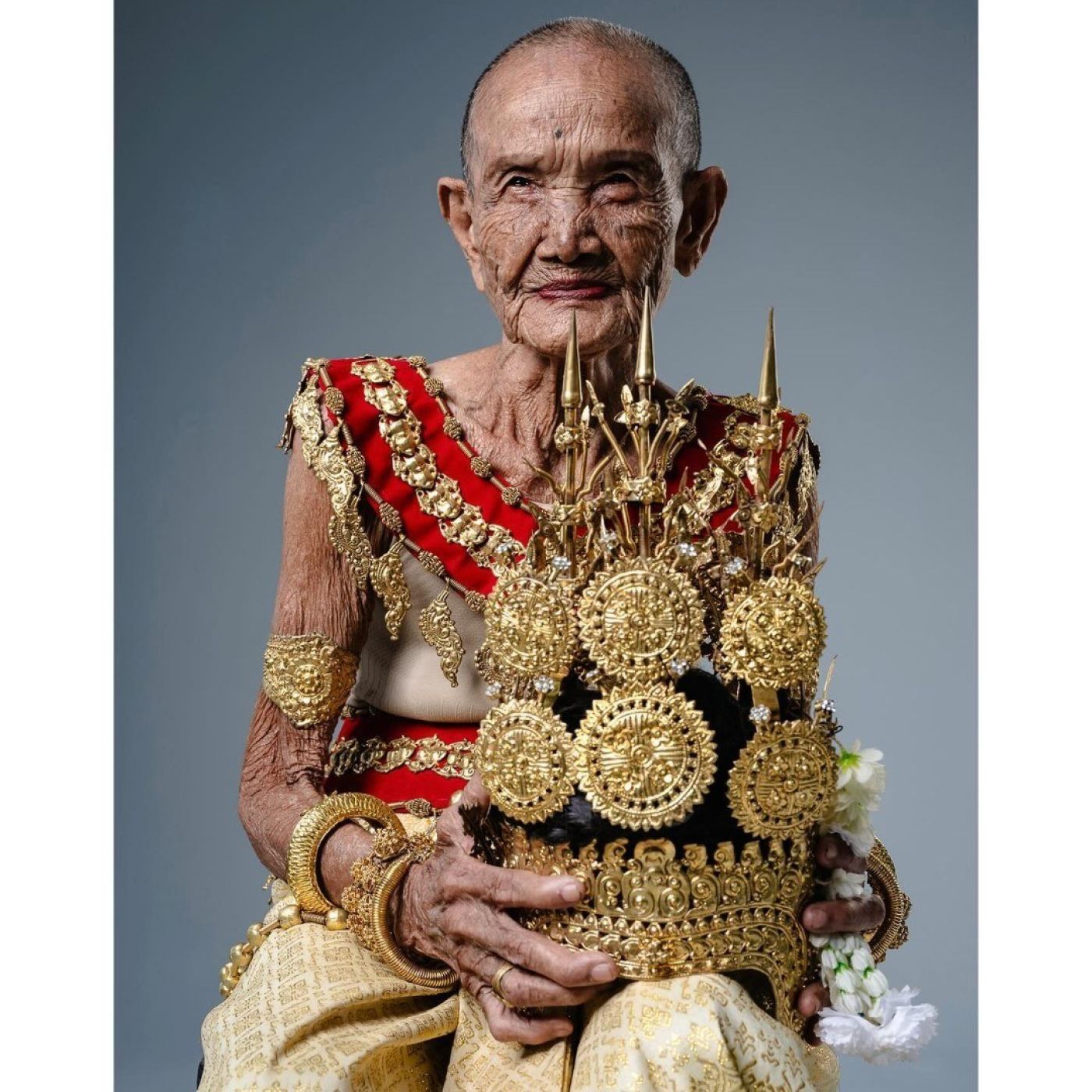
At 105, she became the oldest of CCF’s grannies to become an Apsara Granny, proudly wearing the traditional silk costume and shimmering headdress as part of the Feel the Warmth project by local photographers Ken Bo, Hao Taing, and Raphael Pech, which celebrated Cambodia’s elderly women and their connection to Khmer heritage.
Seeing older women wearing the Apsara dress - attire usually reserved for much younger women - transformed the original Granny Mao and the other Apsara Grannies into unlikely cultural icons, shining a spotlight on Cambodia’s elders.
“I am so proud to be an Apsara Granny. At my age, I never imagined I would be dressed as an Apsara and celebrated in this way. It makes me so happy to be seen and to share this with the younger generation,” said Granny Mao.
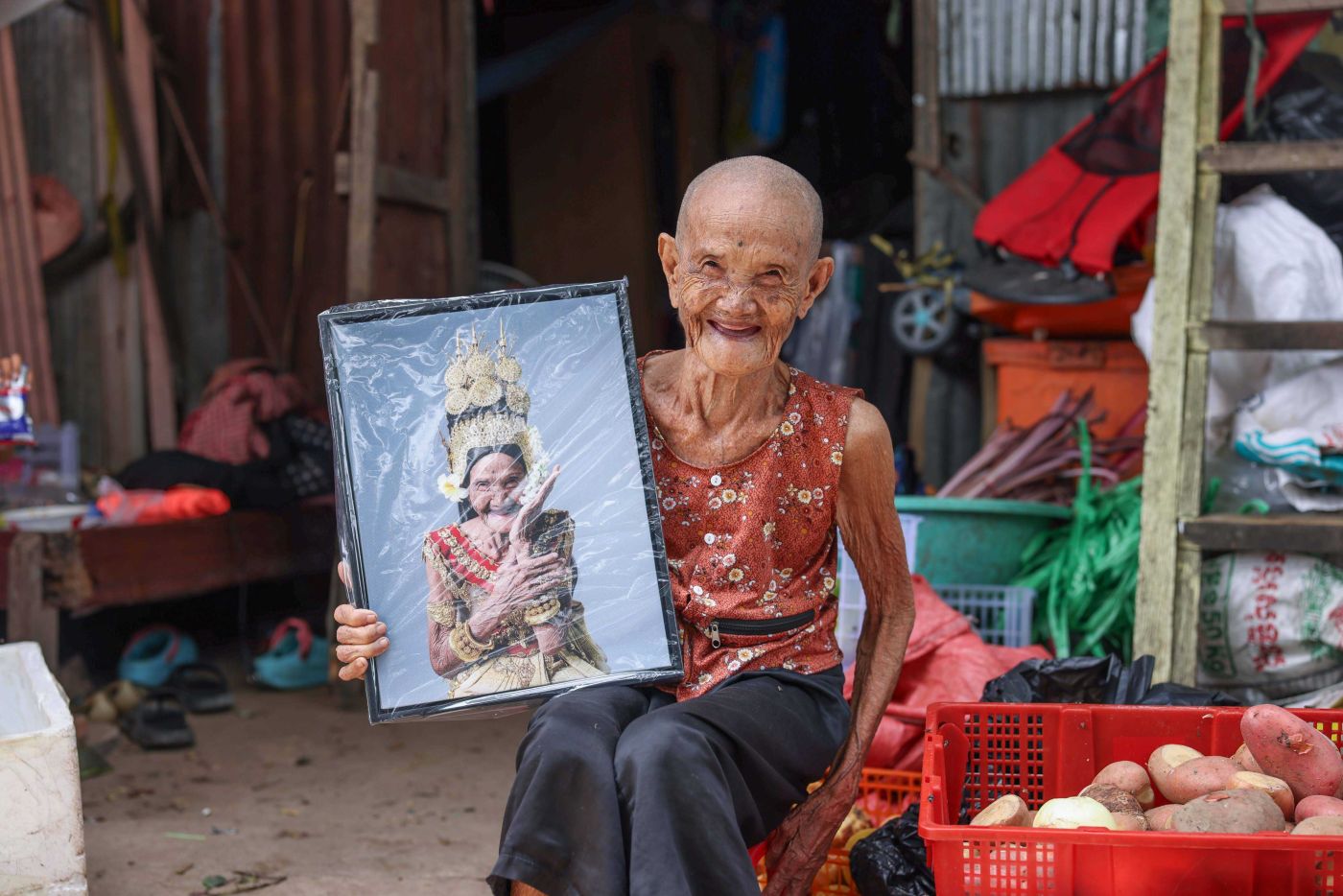

CCF means a lot to me, more than words can describe.
Granny Mao also understood the importance of the community that had embraced her.
“CCF means a lot to me, more than words can describe. I have nothing to say but ‘thank you,’ and I wish CCF more success and prosperity so that it can reach out its help to more impoverished people.”
Granny Mao had endured incredible hardship, but she was extremely resilient. I learned a lot from her
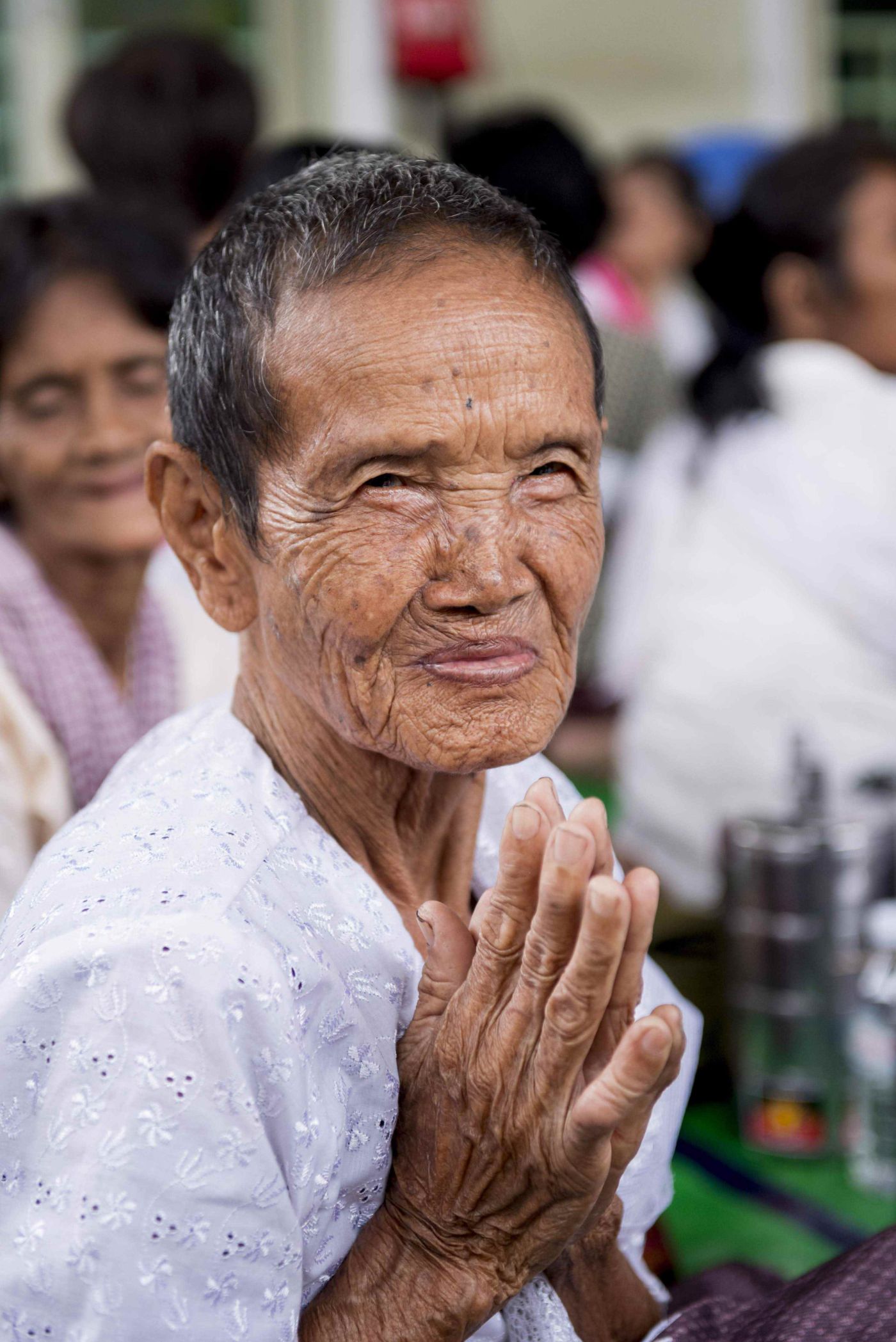
Known for her quick wit, toothless smile and infectious laugh, Granny Mao was an inspiration to the people around her.
“Granny Mao had endured incredible hardship, but she was extremely resilient. I learned a lot from her about how she handled those challenges. She always brought smiles and laughs to our community members in her own way,” said Savy Lach, Global Chief Operating Officer for CCF.
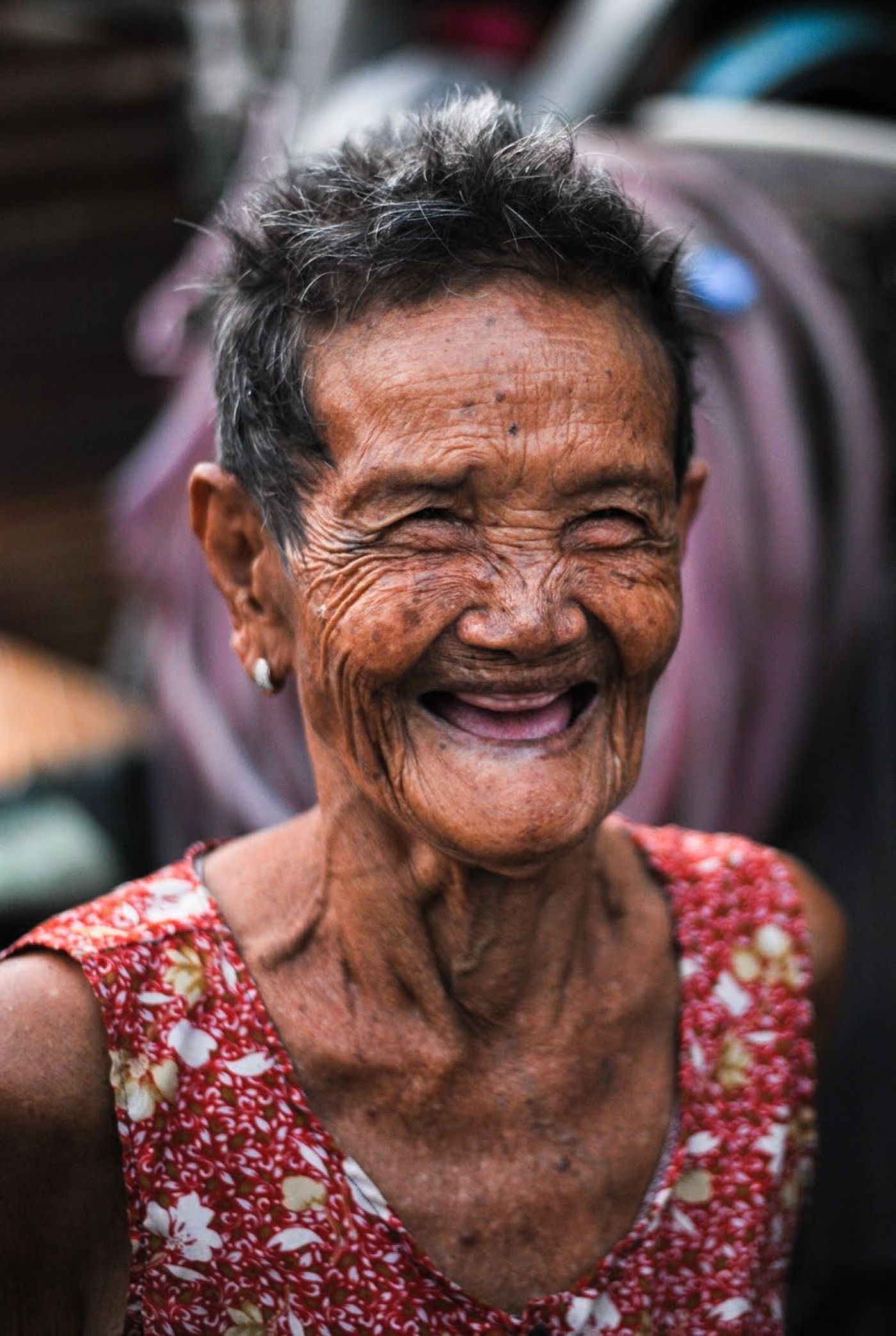
Granny Mao showed that age doesn't have to limit curiosity, that it is never too late to learn something new, and that even after a lifetime of hardship, there's still room for joy, adventure, and new experiences.
Granny Mao will be deeply missed. Her laughter, her spirit and that unforgettable smile will remain part of the CCF family — and her remarkable legacy will live on in the generations she inspired.