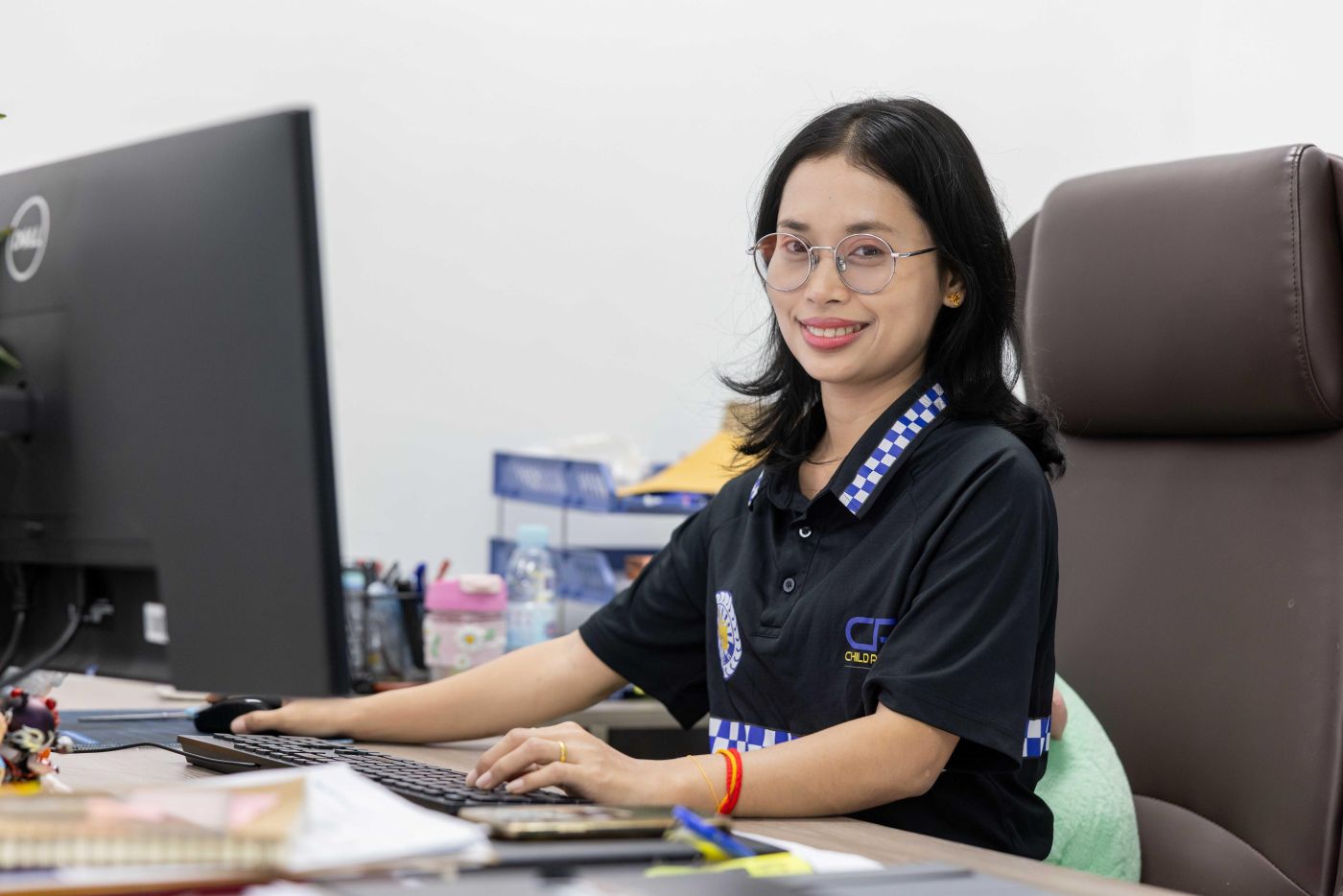
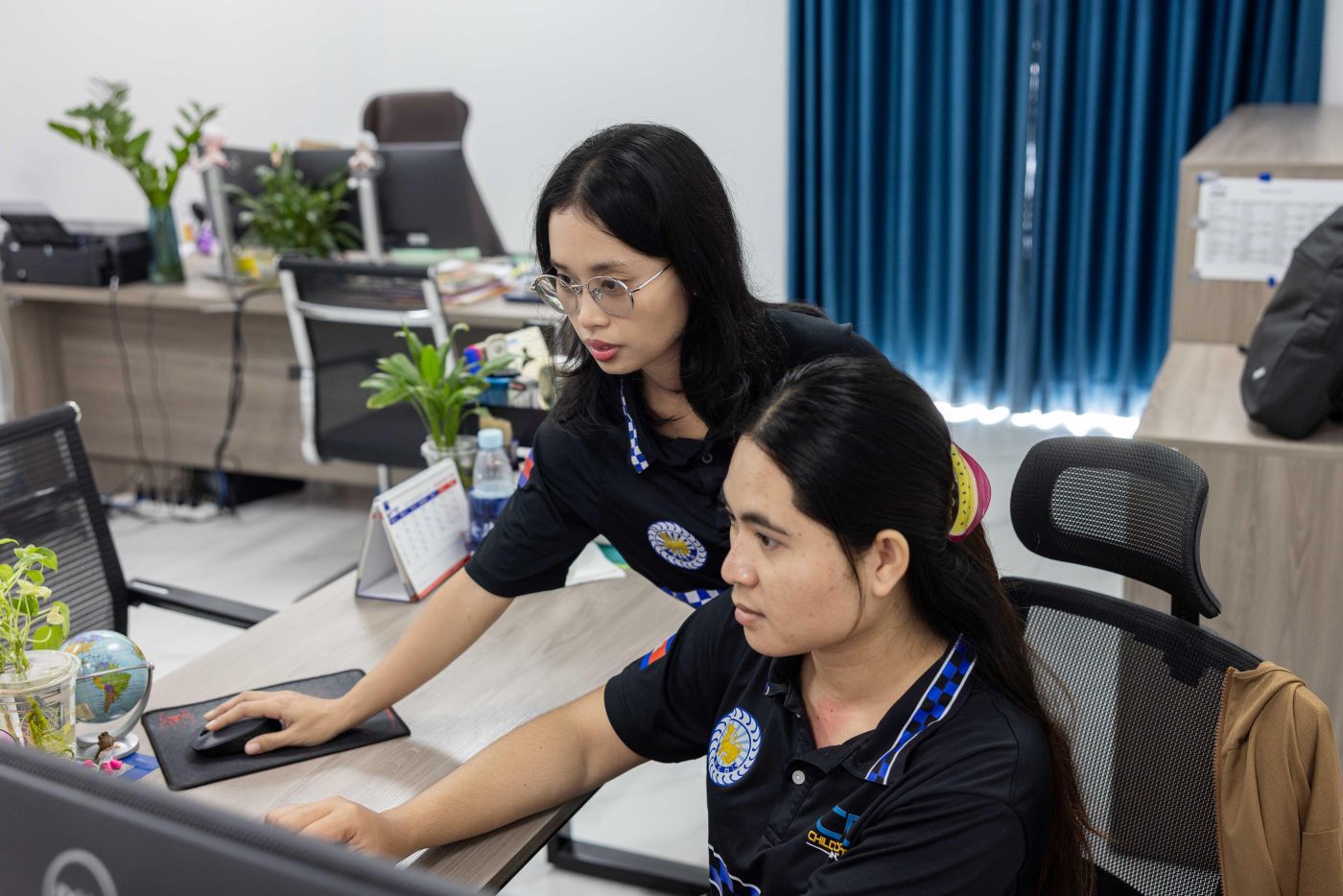
On a Tuesday morning, Kunthea is bright and early at her desk, ready for another day supporting a team doing one of Cambodia's toughest jobs.
She’s one of two former Cambodian Children’s Fund students helping to protect vulnerable children in Cambodia by working with the Child Protection Unit (CPU), a groundbreaking initiative set up to investigate all cases of child abuse with local police and provide support to victims and their families.
Kunthea knows about childhood struggles.
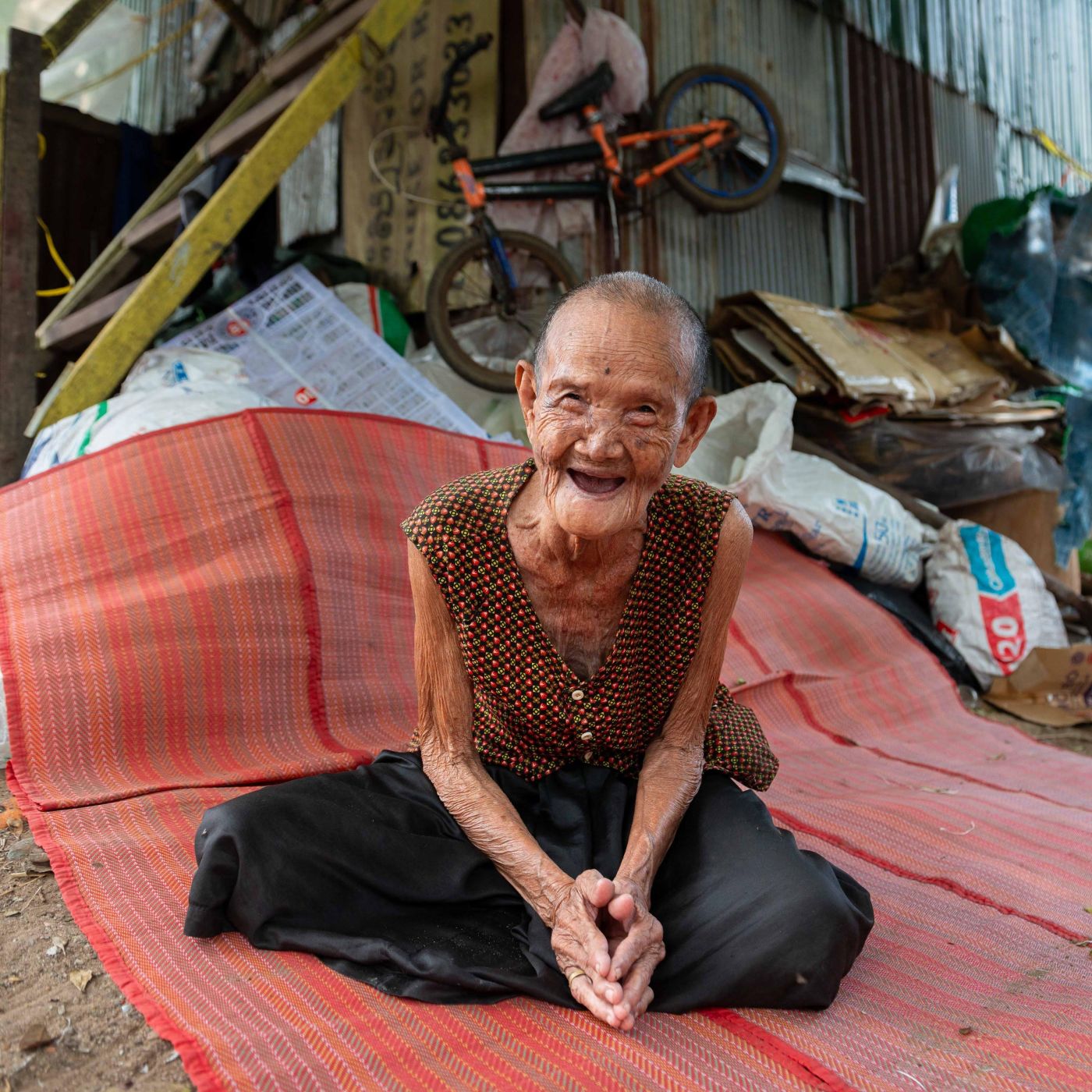
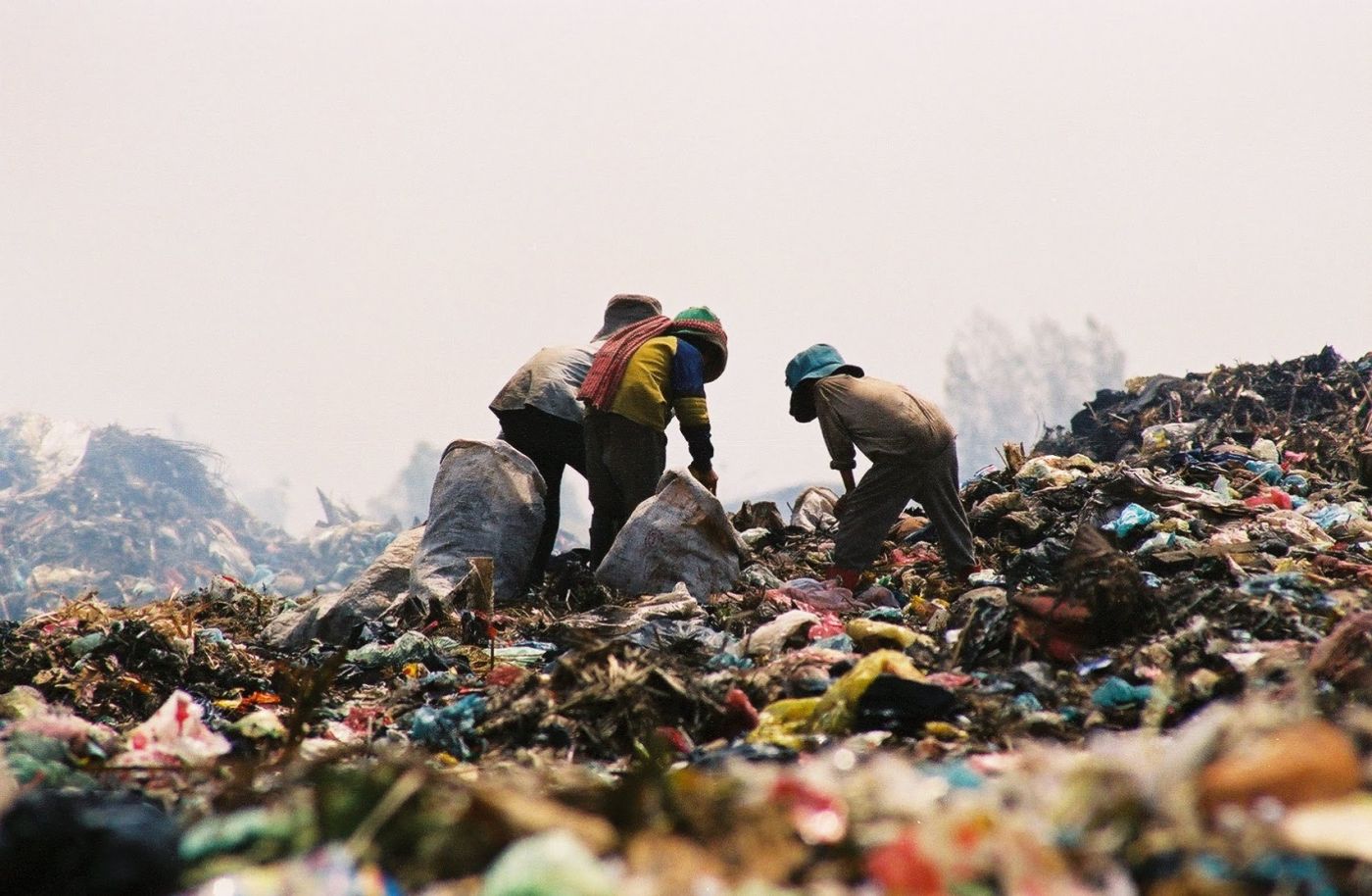
When she was 10, Kunthea worked with her parents and siblings at the notorious Steung Meanchey rubbish dump in Cambodia.
“We were collecting cans and trash to sell,” says Kunthea.
“It was an awful place, the smell and the heat, but we didn’t have a choice.”
Today, now 30 and a law graduate, Kunthea is the HR coordinator for the CPU and personal assistant to the CPU’s Deputy Director.
Calm and efficient, she handles all HR matters, from recruitment and labour law to ensuring everything complies with the law. She’s proud to work for the CPU and contribute in her own way to a better future for children and her country.
“I love working with the CPU. CCF provides education, but the CPU fights crime and gets justice for children,” says Kunthea.

We ate food we found in the trash
Kunthea grew up in a family of seven in rural Cambodia. When she was eight, the family moved to Phnom Penh seeking a better life, only to fall into deeper poverty.
“My mum had just had a baby, and we lived in a small hut by the dump. My two sisters and I worked at the dump from morning until night,” she says.
“Many children were working there, the same as me. You don’t think much about the environment; you just work to survive. I nearly died one day. Dump trucks would come to drop off loads. I was standing under the truck, and all the rubbish nearly covered me. I was scared, but I had no choice because we were starving. We ate food we found in the trash.”
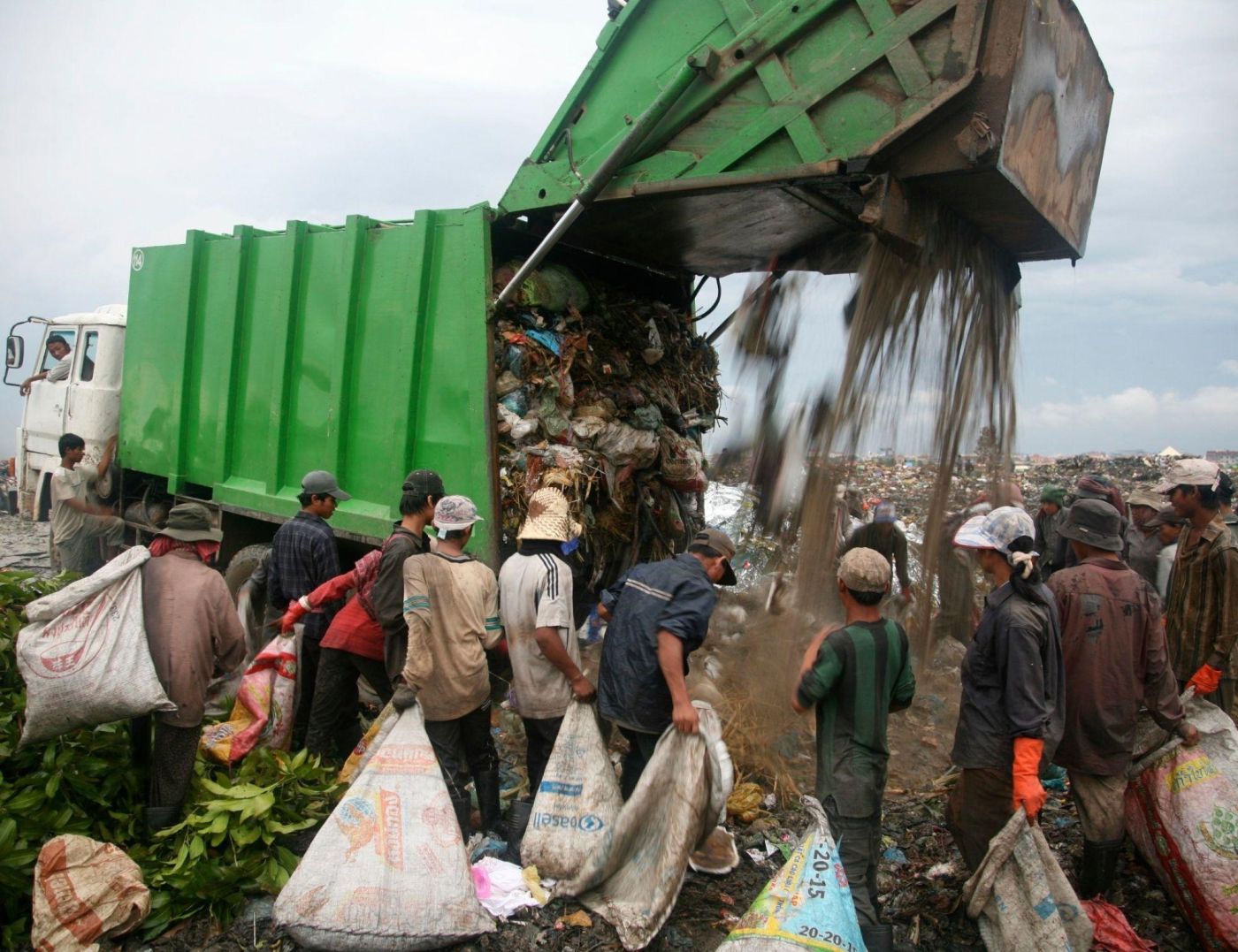
Her future seemed destined to be among the garbage at the dump.
But it was the dumpsite that changed Kunthea’s life. While working there one day, she met Scott Neeson, CCF’s founder, who regularly visited the landfill site to help children and families living and working there.
“Scott asked me if I wanted to go to school. Without hesitation, I said yes. I wanted to study. I wanted to have a bright future,” says Kunthea.
Her first day at school was very hard.
“I had never been in a classroom before. I had to work very hard to catch up, but I loved learning.”
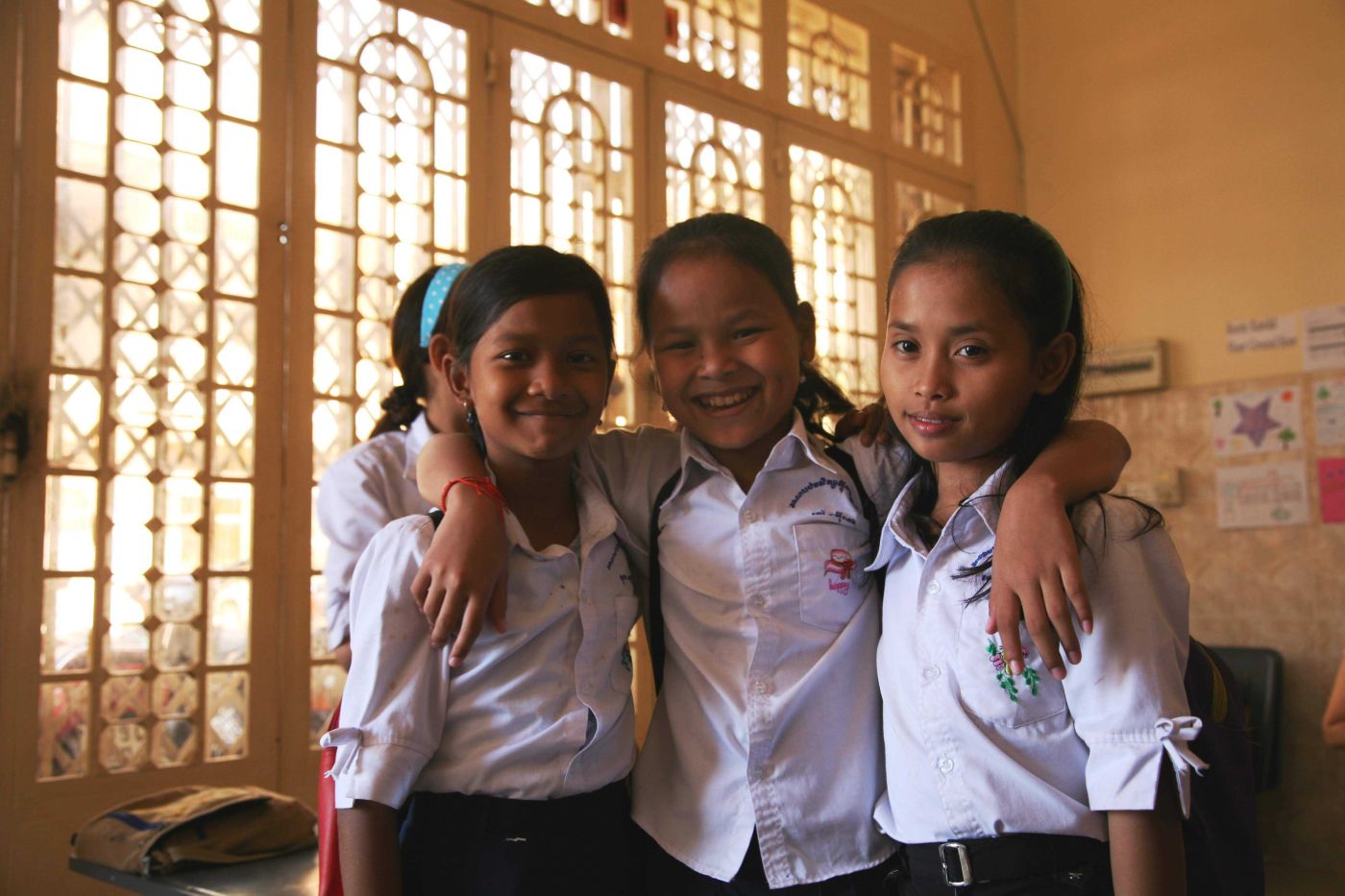
Kunthea was an excellent student and caught up fast. A week before her final high school exam, her dad passed away.
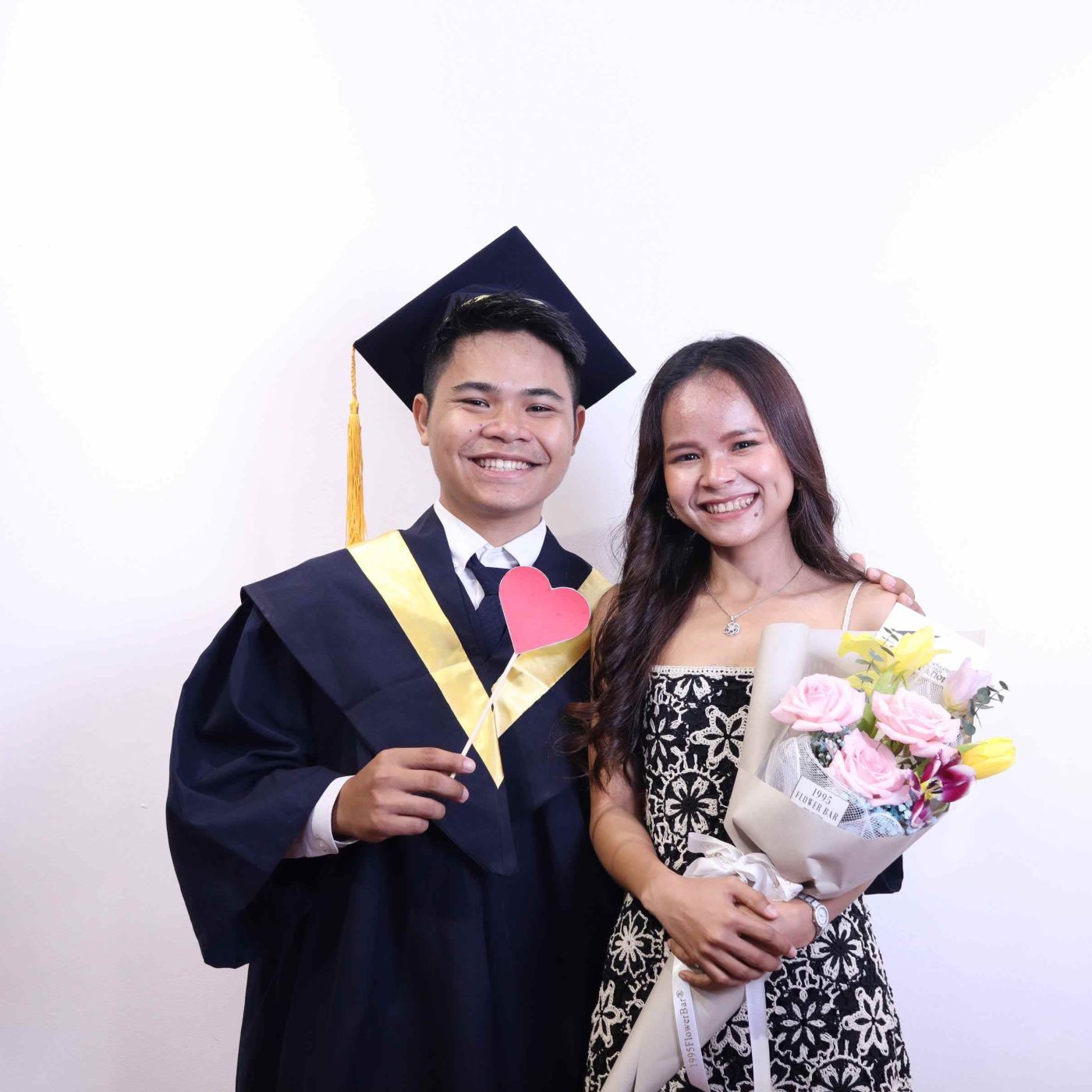
“I managed to sit the exam. I wanted to be the first person in my family to go to university. I achieved that,” she says.
During her law degree, Kunthea had the opportunity to intern, arranged through a CCF Board member, at the renowned international law firm Clifford Chance in Hong Kong, describing the experience at the time as one of the “most memorable” of her life.
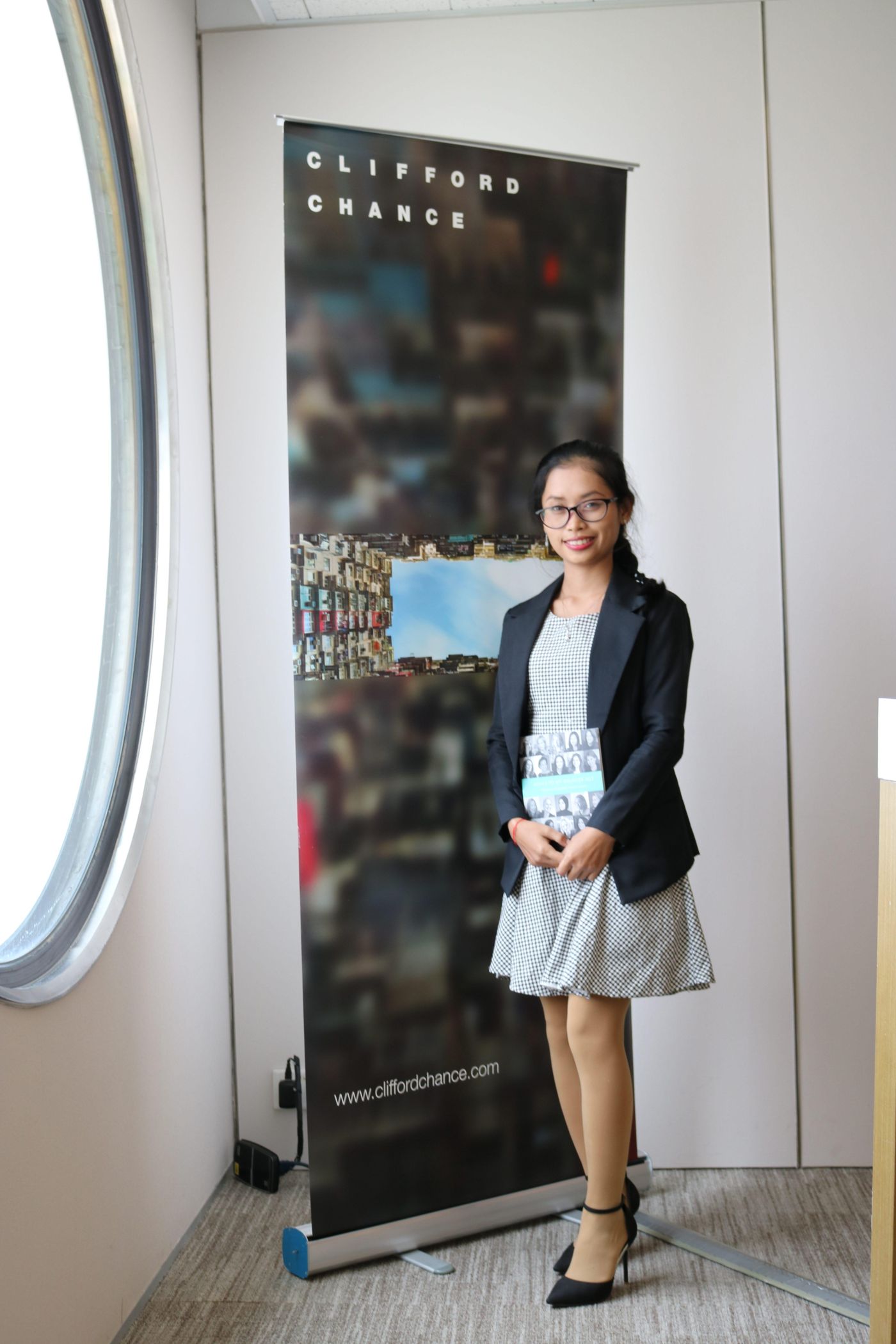
CCF changed not just her life but her family’s.
Her parents were able to stop working at the dump and start a small business selling cakes.
Kunthea supports her parents, now 64 and 65, every month.
Kunthea lives in a rental house with her husband, who is working towards a PhD while at the Office of the Council of Ministers (also known as the Cabinet of Cambodia), the executive administrative body of the Cambodian Government.
“I would like children in the future, and they will have a very different life from mine when I was a child,” says Kunthea. “They will get everything from me. They will get an education. My husband and I have planned it.”
Now, I can say my life is good, and I am very happy
Kunthea says that without CCF and meeting Scott that day, she likely still would be scavenging at a dump.
“When I was little, growing up in Siem Reap, I imagined a beautiful life. I would have beautiful clothes and a nice house,” she says.
“I never thought it would happen. Now, I can say my life is good, and I am very happy.”