Providing quality education will change a child's life
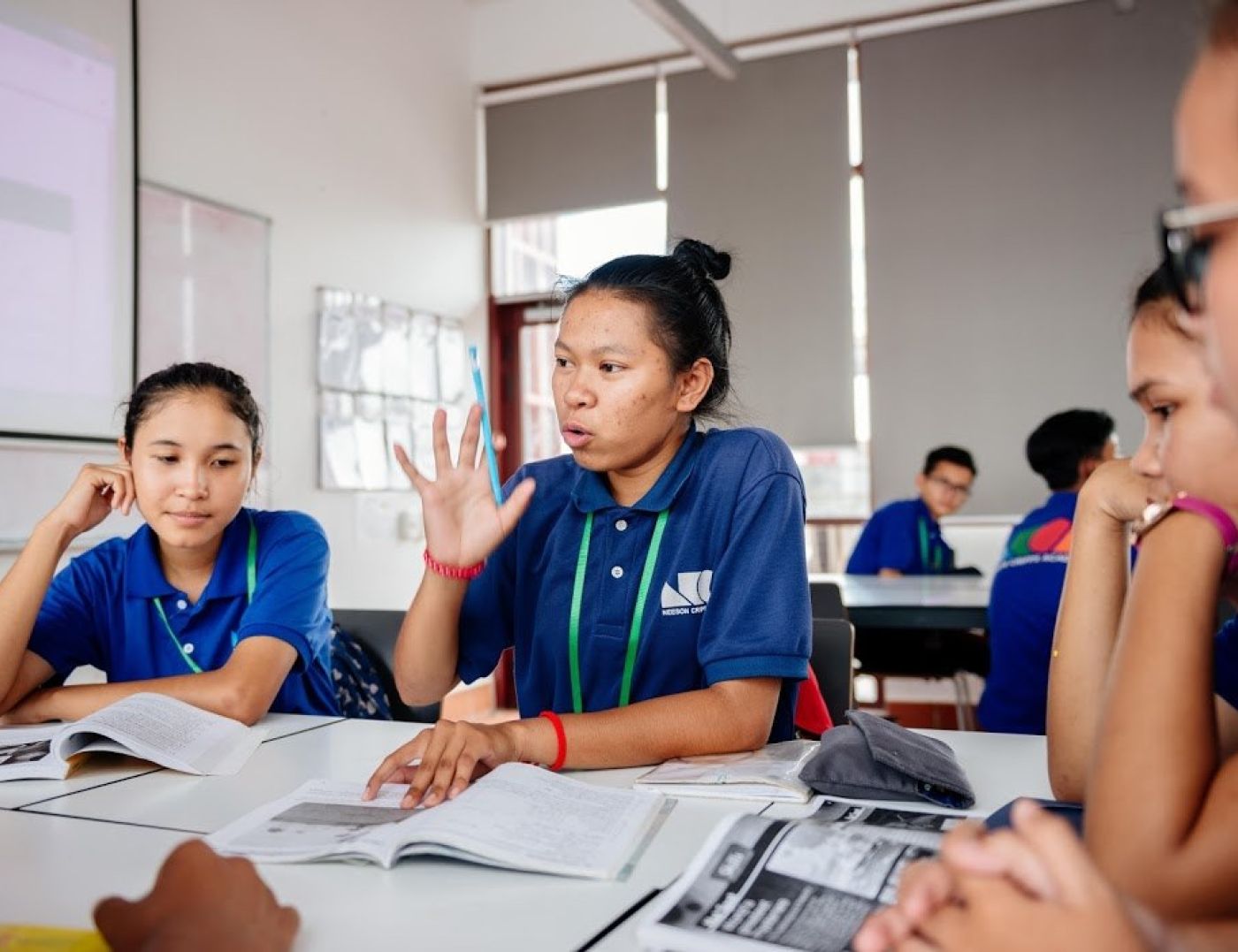
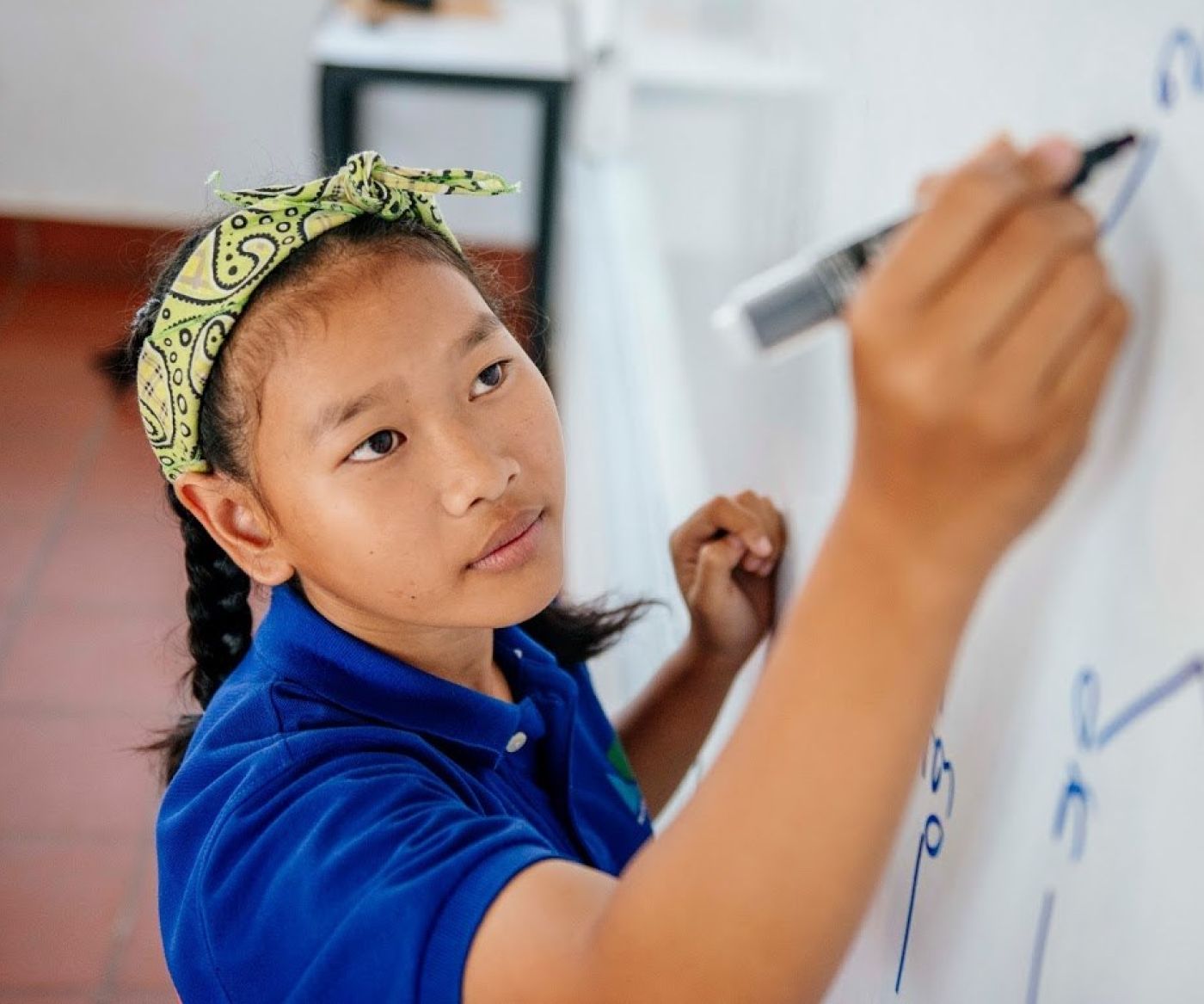
With modern facilities including IT and science labs, access to the latest technologies, an enhanced teacher training program, and a focus on STEAM education (Science, Technology, Engineering, Art and Mathematics), the Neeson Cripps Academy (NCA) students receive a world-standard education conducive to building critical thinking skills and gaining a deeper understanding of the world around them.
Supporting more than 400 students, the NCA was generously gifted to CCF by our long term supporter, Velcro Companies.
Velcro Companies is committed to advancing education and improving the lives of children across the globe, and has made a great impact here in Steung Meanchey.
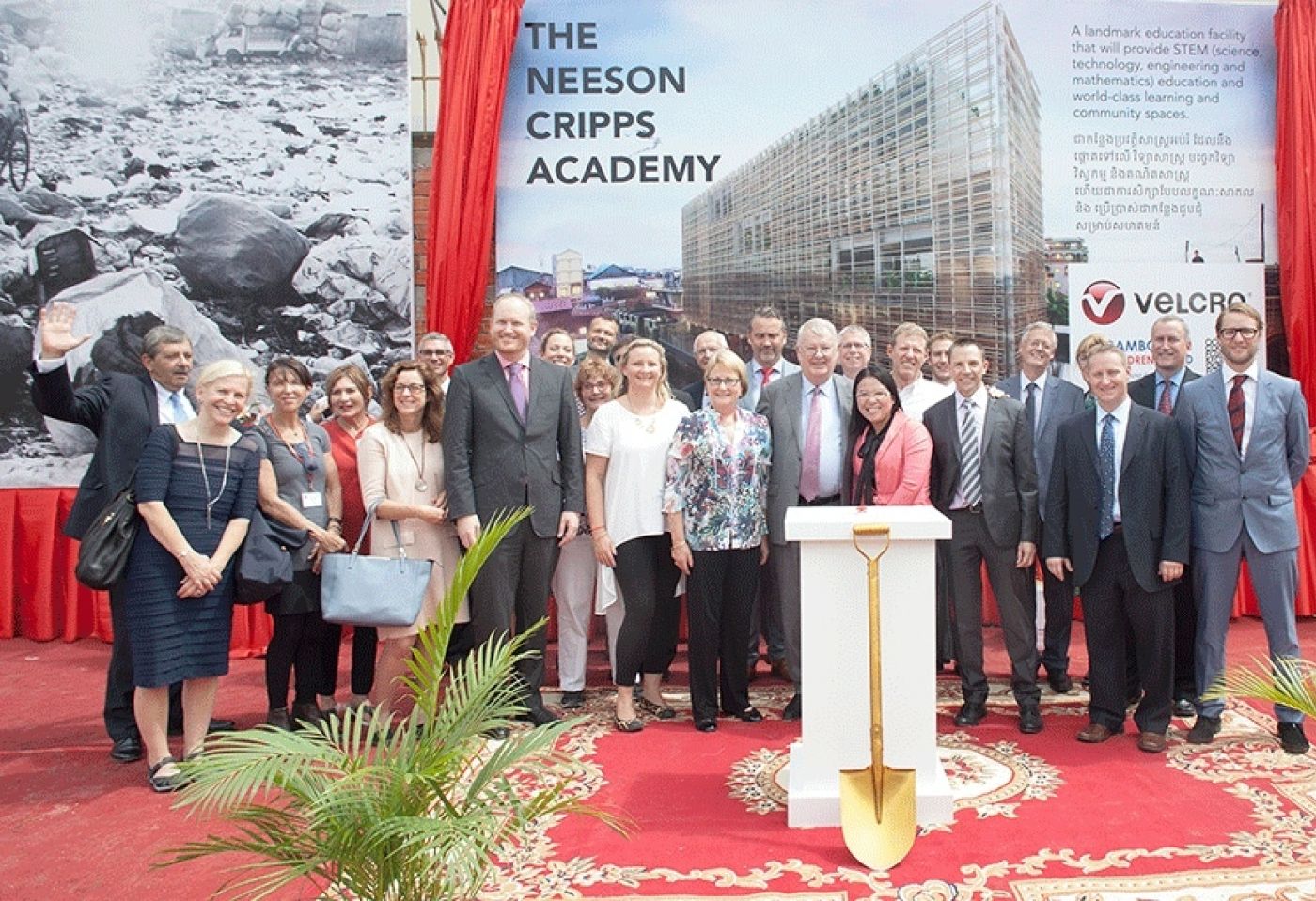
The building is named after Robert Cripps, former Velcro Companies Chairman, and Scott Neeson, Founder and Executive Director of the Cambodian Children’s Fund.
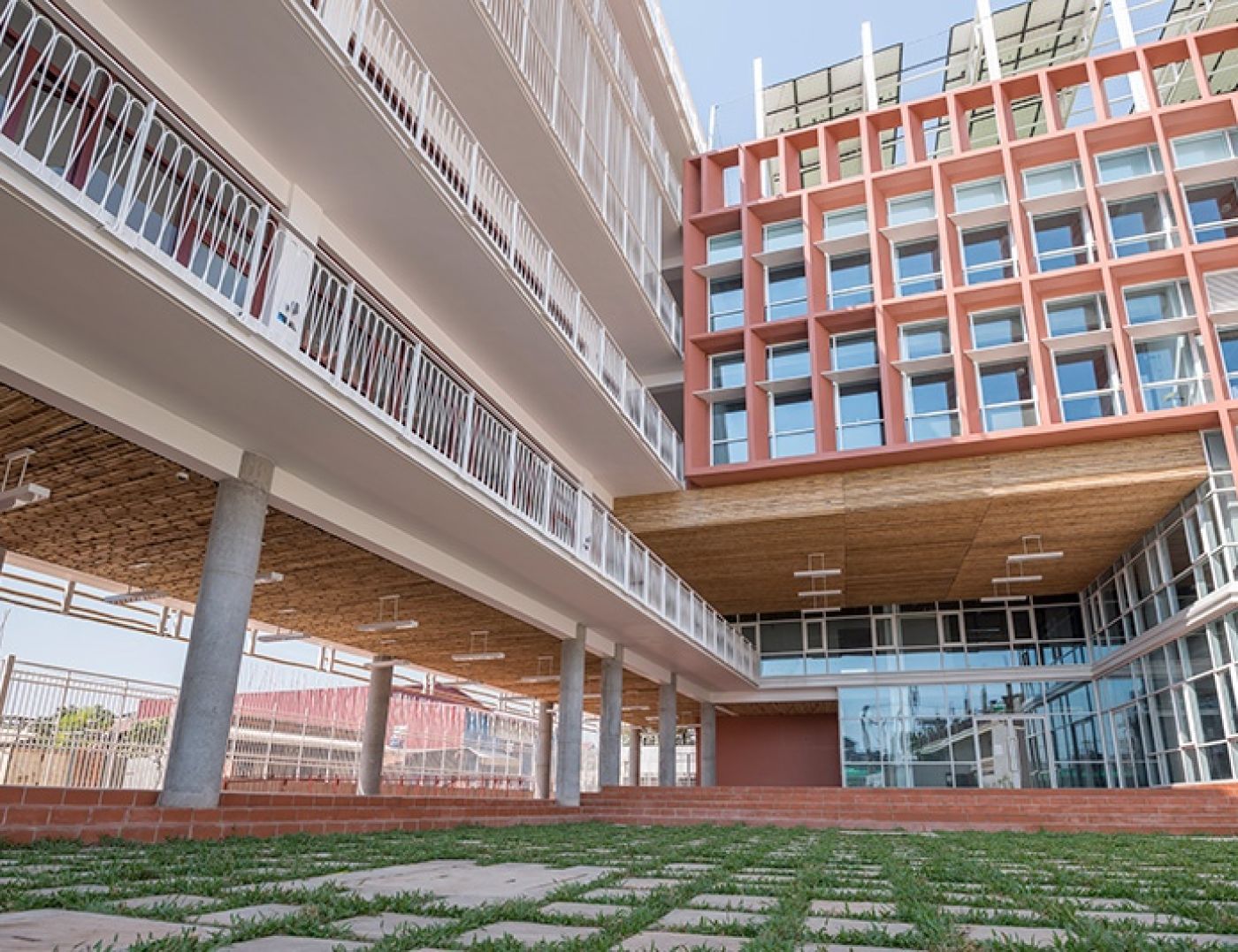
Building the Future of Education in Cambodia
Designed pro-bono by acclaimed New York firm CookFox Architects, the ecological design creates a healthy environment for learning and limits water and energy usage. The building uses low energy lighting, natural ventilation and solar energy, and features include open-air learning spaces. Using local building materials and traditional Cambodian architectural concepts, the NCA is a school of the future with a connection to the rich culture of Cambodia.
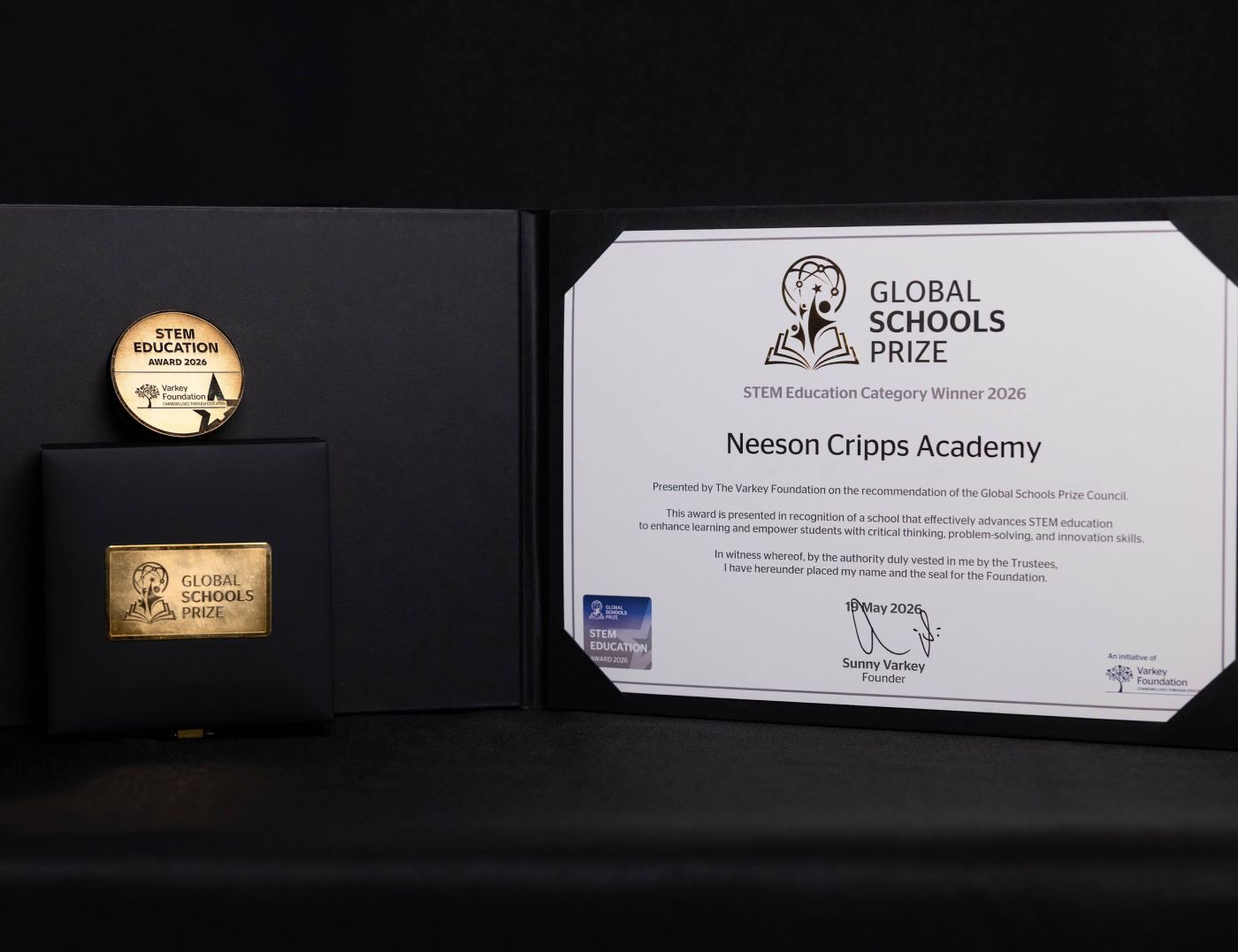
Neeson Cripps Academy Named the World’s Best STEM School
May 2026 – NCA was recognised as the world’s top STEM school at the inaugural Global Schools Prize, presented by the Varkey Foundation. Selected from nearly 3,000 nominations across 113 countries, NCA was the sole representative from Southeast Asia in the global Top 10, earning recognition from an award celebrating the world’s most innovative and impactful schools reimagining education for the future.

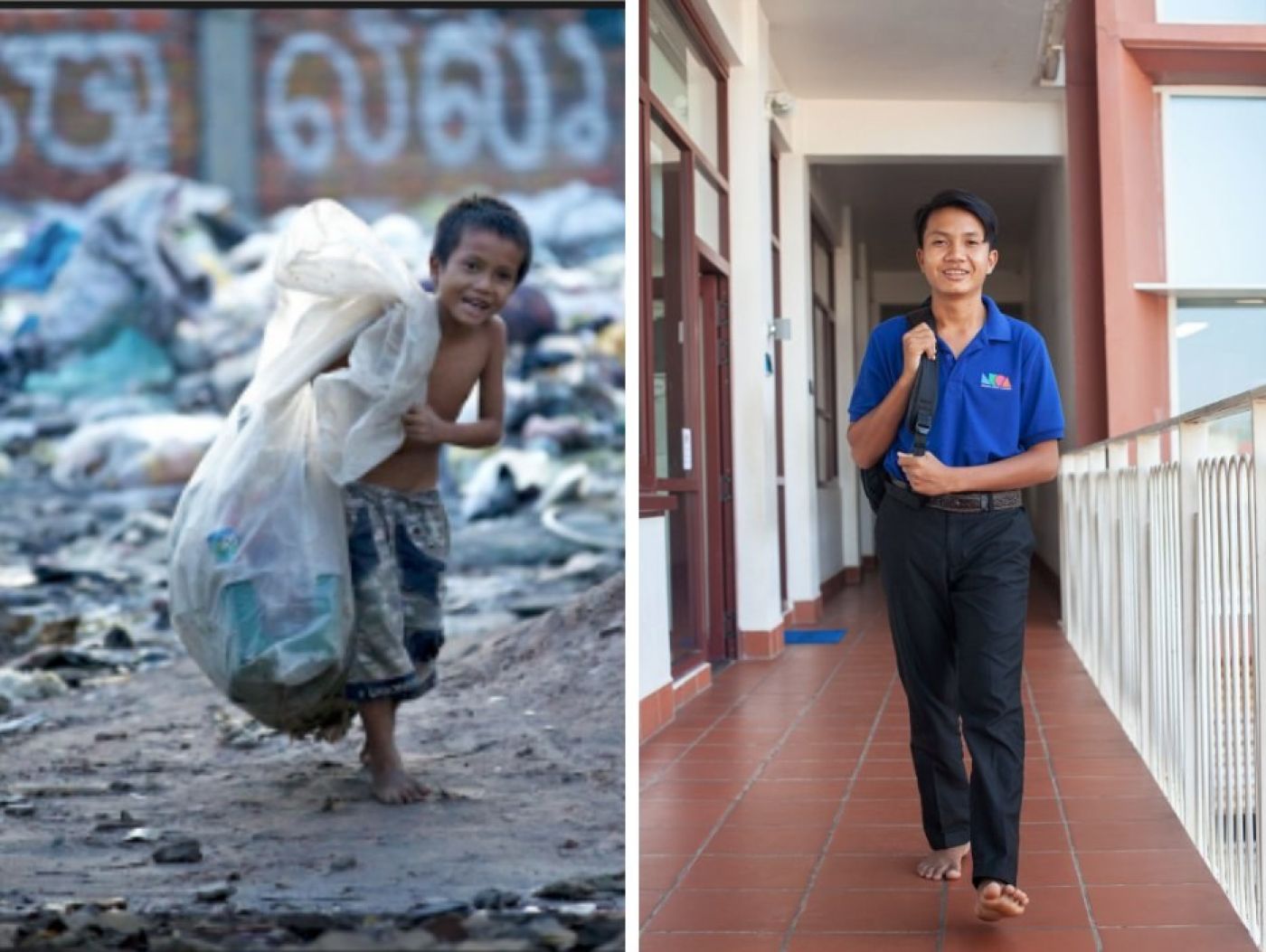
The children and youth in the largely impoverished Steung Meanchey communities have hungered for an opportunity to study. To meet that hunger with a quality education and the prospect of a university degree, we will give children the tools they need to lead their family and community to a better life.

Experiential Teaching and Learning
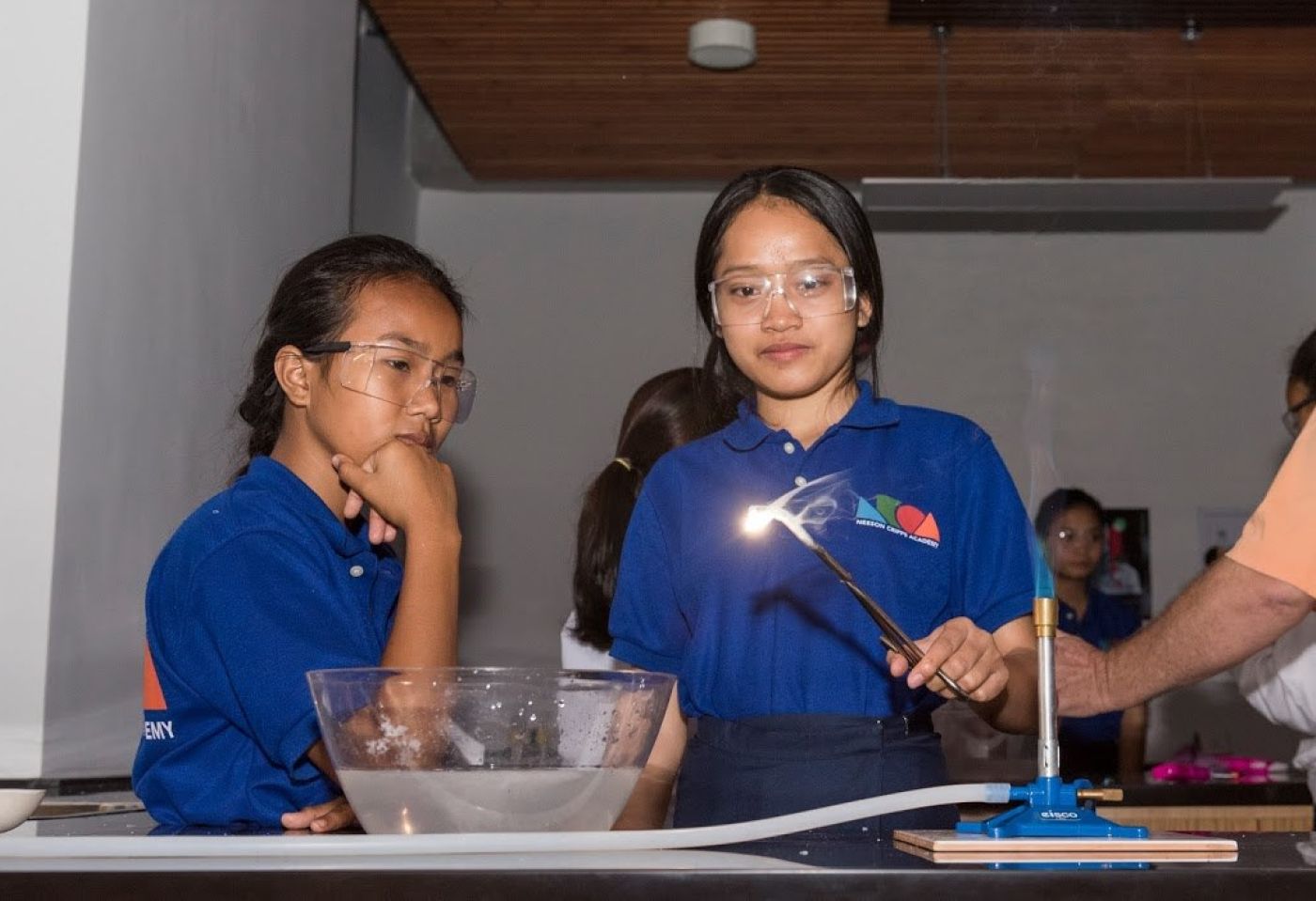
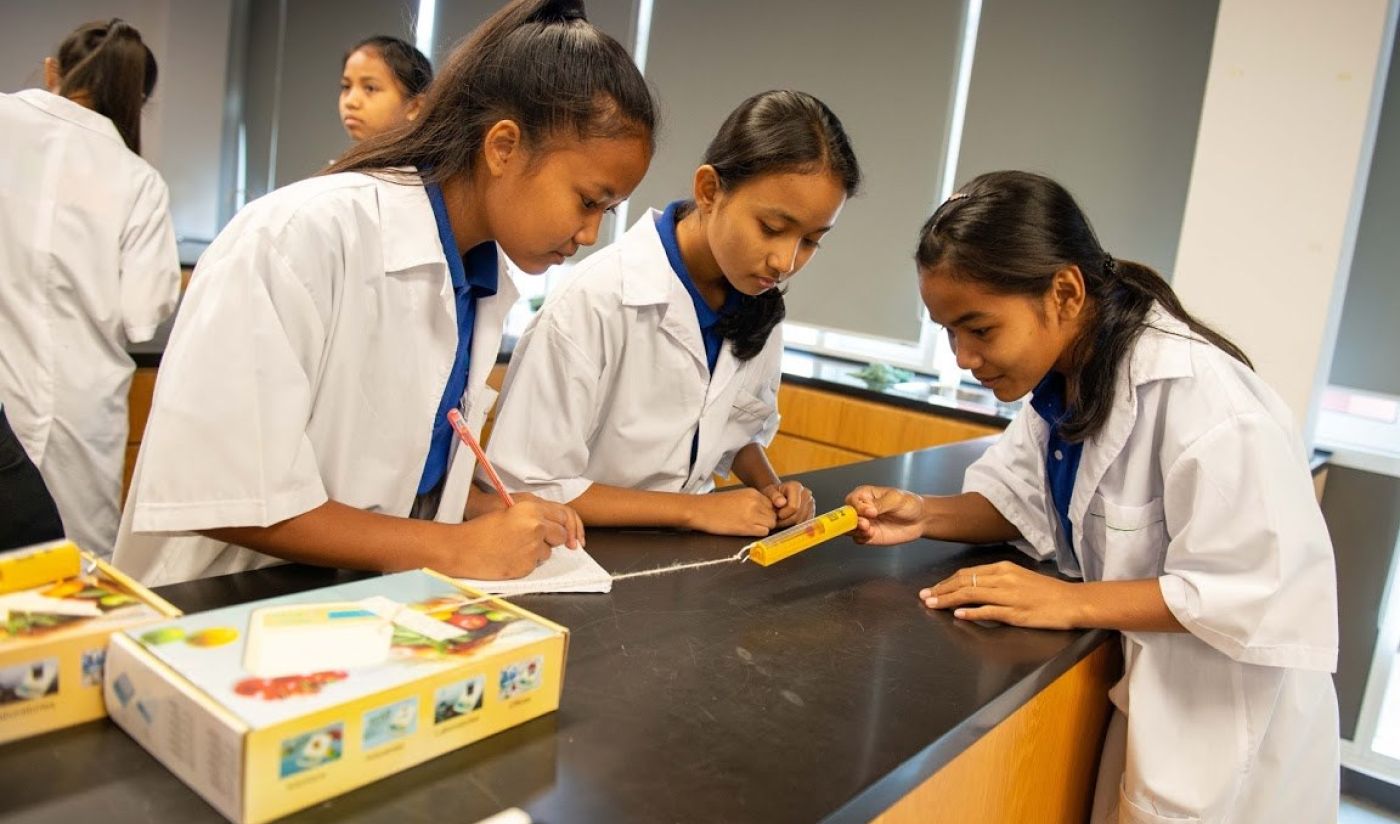
Here, CCF students get ‘hands on’ in their learning - whether it’s chemistry experiments, traditional Khmer dance, basketball, or more recently gardening. In September 2019 construction was finished on the rooftop garden. This garden provides both a space for students to learn about agriculture, biology, and the environment, as well as cooling the classrooms below by several degrees.
Learning from a permaculture expert, students designed the garden layout and planned which plants would work in the space. In science classes and gardening clubs, students now learn how to care for the plants, design internet-of-things based systems for measuring water and sunlight, and practice sustainable agriculture.
The key objective of the Neeson Cripps Academy is to provide an international standard of learning to students from Cambodia's most impoverished communities. The flagship facility features state-of-the-art science labs, ICT labs, a dedicated library, and integrated digital learning tools, while also functioning as a centralised teacher development hub for both CCF and partner educators
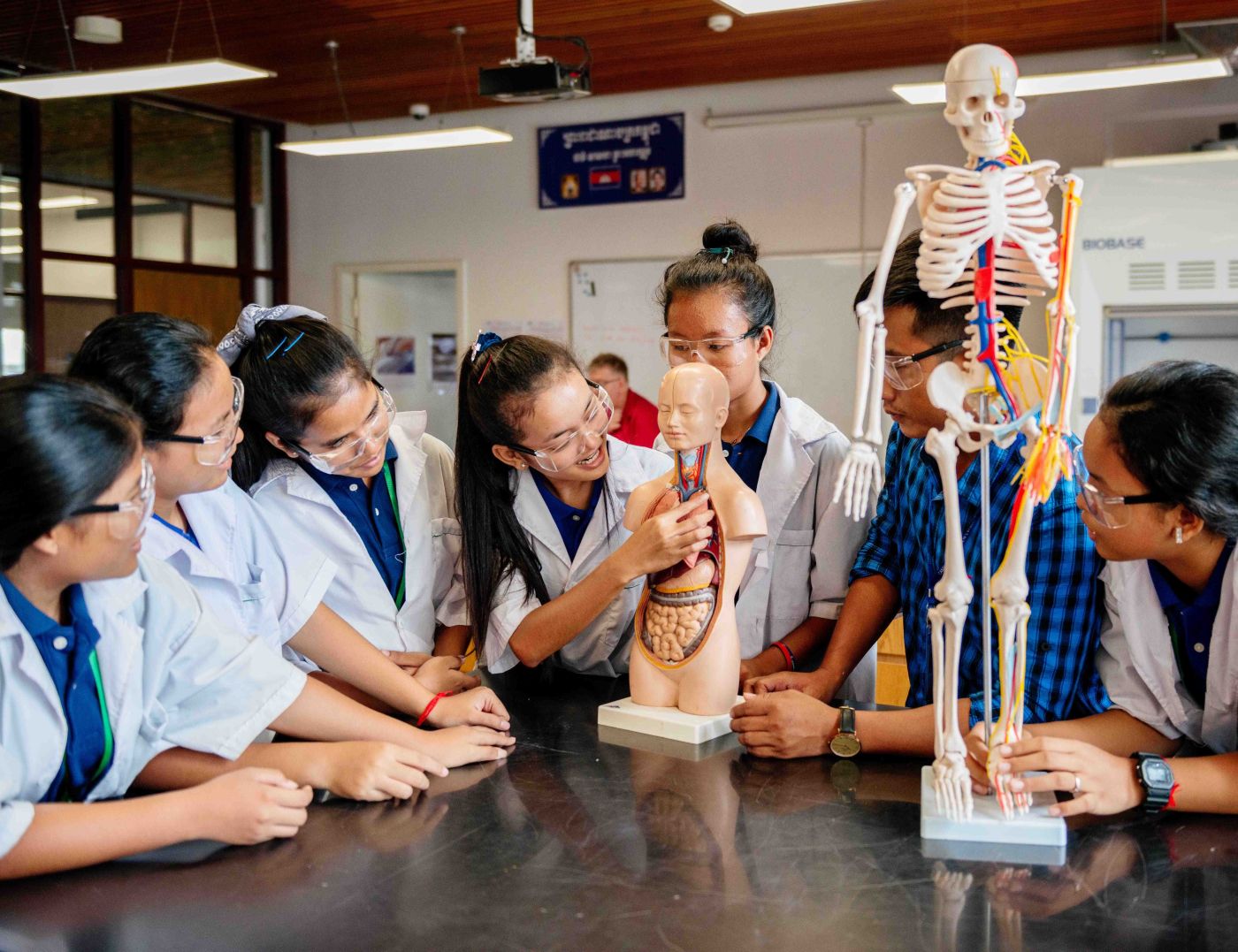
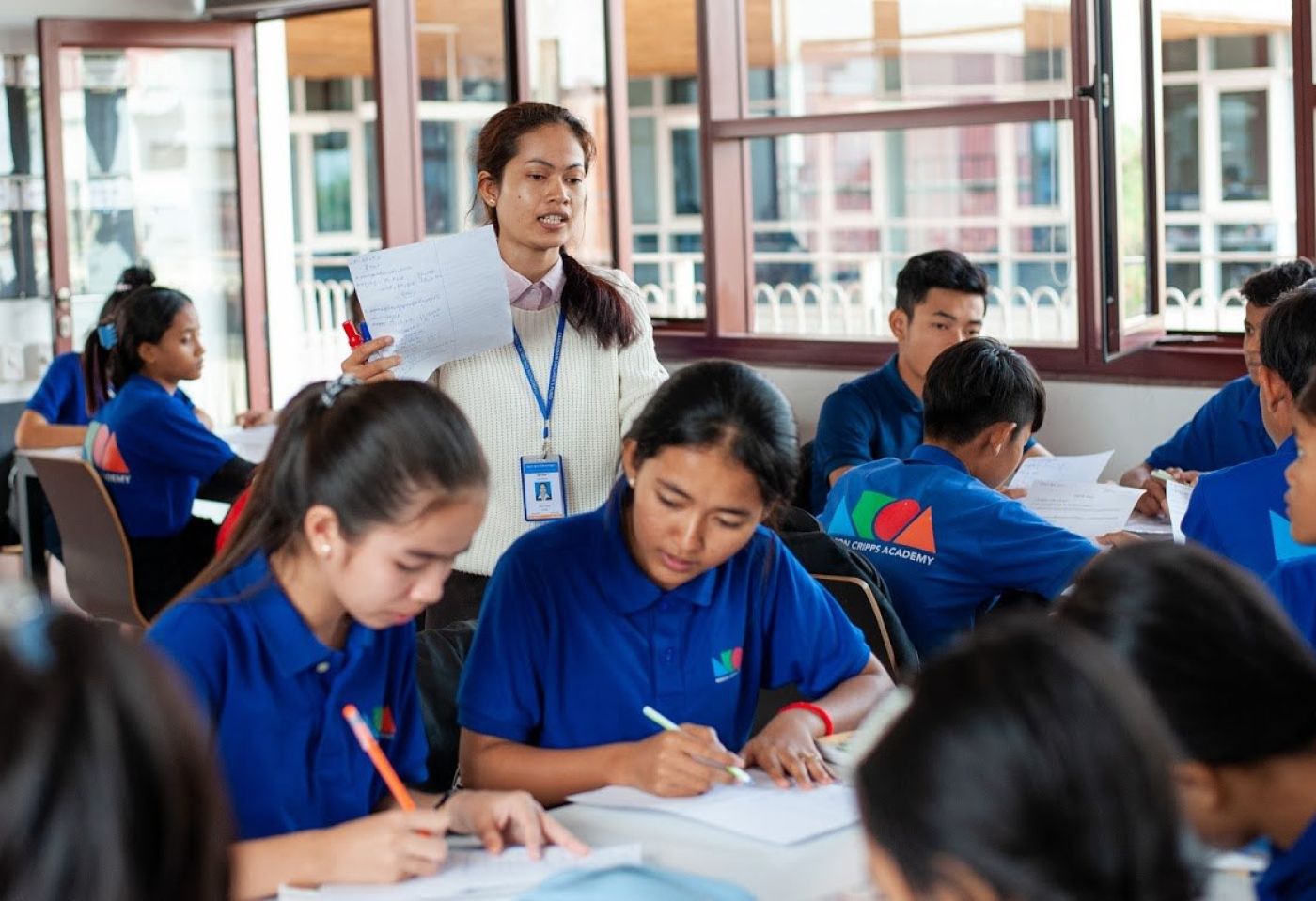
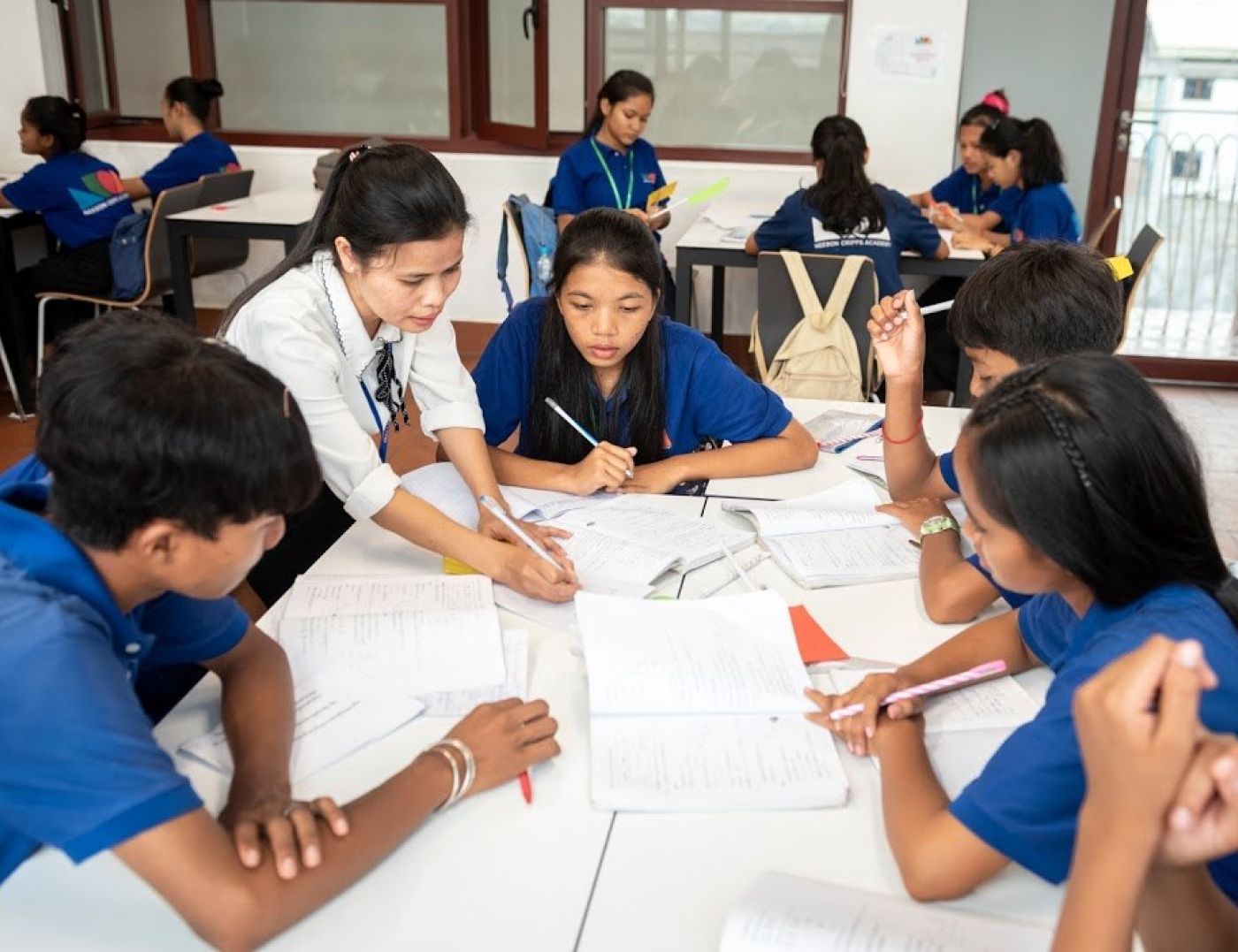
CCF received the licence to implement the Khmer General Education (KGE) curriculum from the Ministry of Education, Youth and Sport (MoEYS) in November 2017. Students at the NCA study full-time at the facility, following the pathway to graduate with nationally recognised qualifications alongside CCF’s specialised classes in STEAM activities, leadership, sports, and the arts. CCF’s secondary provision has expanded into an integrated network, operating alongside secondary education satellite locations such as Tomorrow Academy and Sombak Chhab, serving hundreds of middle and high school students across full-day educational pathways
A Modern Curriculum for a Modern Cambodia
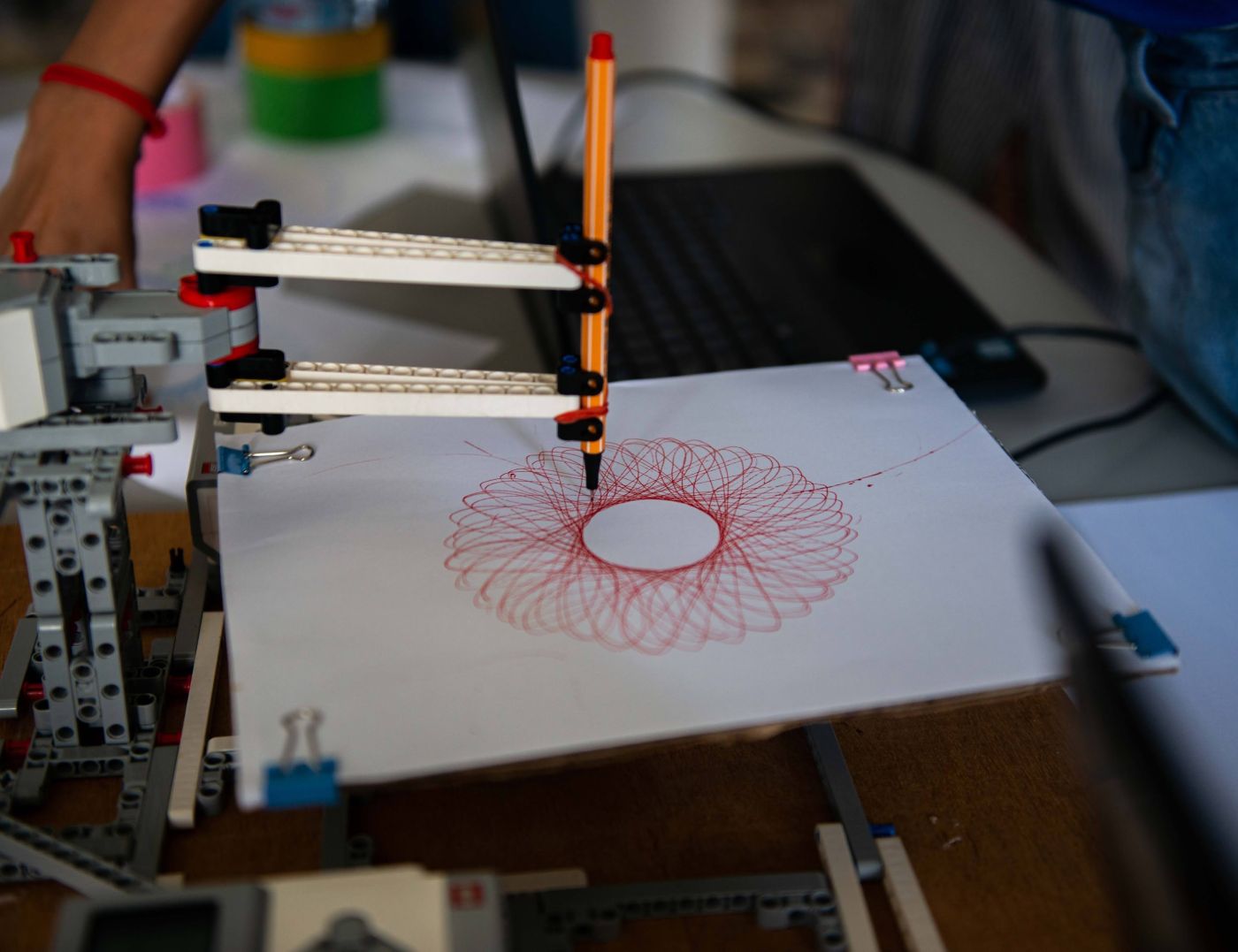
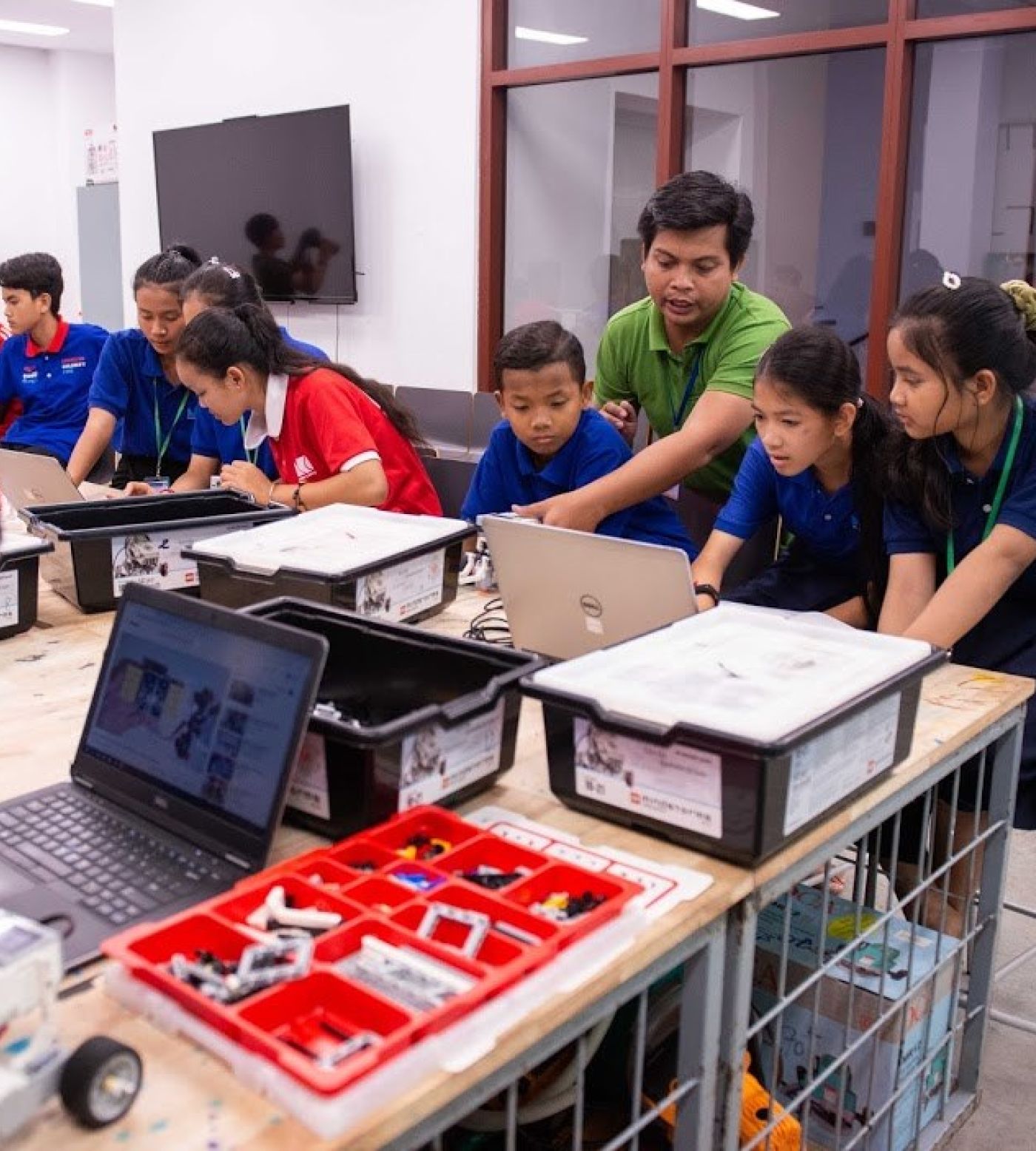
Active learning spaces, including the science labs and the Makerspace, are booked hundreds of times each year for hands-on experiments, mentoring, and student-led projects. Extracurricular STEAM clubs now span a wide range of fields, including robotics, coding, app design, web development, photography, video editing, electronics, hydroponics, beekeeping, fabric craft, and social-impact projects like Apsara Granny 2.0.
These clubs nurture critical thinking, problem-solving, digital literacy, and collaboration, equipping students to present their work at regular student showcases and excel in national and global competitions.